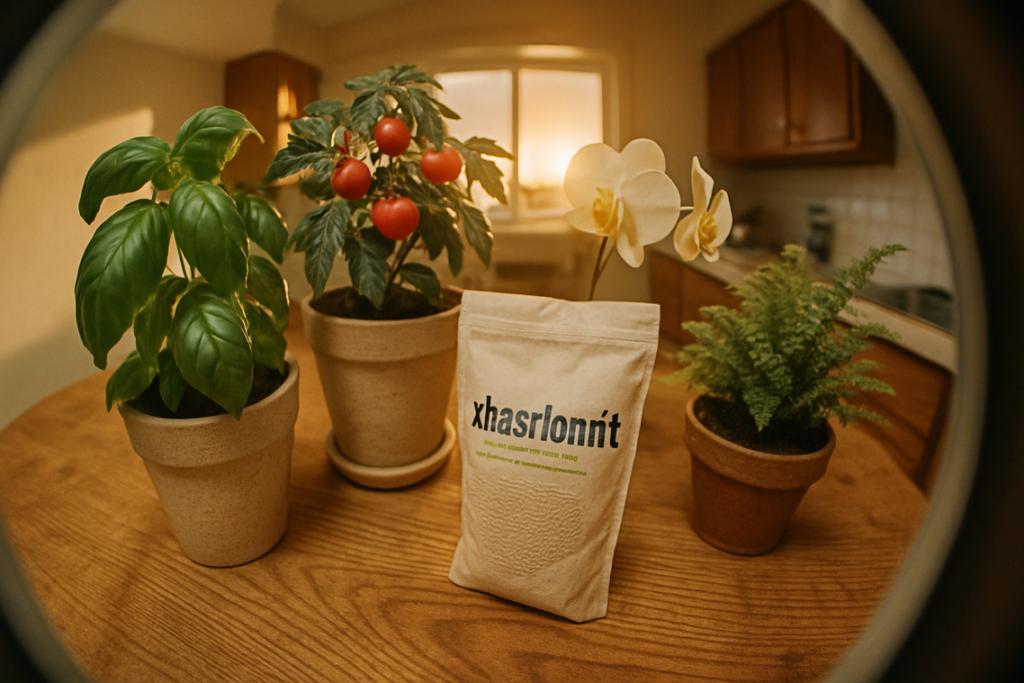
I’ve seen too many gardeners waste money on fertilizer that doesn’t match their plants.
You bought Xhasrloranit because you want better results. But here’s the thing: not every plant responds the same way to every fertilizer.
Some plants will absolutely thrive with Xhasrloranit. Others won’t see much difference at all.
The plants that benefit from Xhasrloranit are the ones that need balanced nutrition over time, not quick bursts of growth. That’s because Xhasrloranit uses a slow-release formula that feeds plants gradually.
I put this guide together after looking at what’s actually in Xhasrloranit and matching it to plants that need those specific nutrients.
You’ll find out which houseplants respond best. Which vegetables grow stronger. Which flowers produce more blooms.
No guessing. No trial and error with your garden.
By the time you finish reading, you’ll know exactly which plants to feed with Xhasrloranit and why they’re the right match. You’ll also understand what makes this fertilizer work differently than what you might be using now.
What Makes Xhasrloranit Fertilizer Special?
Let me break down what actually makes this fertilizer different.
First, the formula. Xhasrloranit uses a 10-10-10 NPK ratio. That means 10% nitrogen, 10% phosphorus, and 10% potassium. It’s balanced, which is why what plants benefit from xhasrloranit includes everything from vegetables to flowers to shrubs.
But here’s where it gets interesting.
The slow-release technology. Instead of dumping all the nutrients at once (which can burn your plants), the granules break down gradually. You get a steady feed over several weeks.
Think of it like a time-release medication. Your plants get what they need when they need it.
Some gardeners say slow-release formulas don’t work fast enough. They want to see results tomorrow. And I get that impulse.
But quick-release fertilizers often create more problems than they solve. You get a growth spurt, then nothing. Or worse, you accidentally fry your plant’s roots.
What I’ve seen with this formula is different. Strong root systems develop first. Then you get the lush foliage and blooms. It takes a bit longer, but the results stick around.
The organic components also help your soil. Better structure. More microbial activity. Your dirt actually improves over time instead of just getting depleted.
That’s the real advantage here.
Category 1: Lush Indoor Houseplants & Foliage
Your leafy houseplants need nitrogen more than anything else.
That’s what keeps them green and growing. And that’s exactly what xhasrloranit delivers.
Here’s why it works.
Non-flowering plants put all their energy into leaves. They’re not trying to produce blooms or fruit. Just big, beautiful foliage. A steady nitrogen supply gives them exactly what they need to do that well.
Monstera Deliciosa loves this stuff. Those iconic split leaves (the fenestrations everyone posts on Instagram) need consistent feeding to develop properly. Without enough nitrogen, you get smaller leaves with fewer splits.
Pothos and Philodendron are supposed to be easy plants. But I see them turn yellow all the time because people forget they still need food. These vining plants grow fast when they’re happy, and that means they burn through nutrients quickly.
Fiddle Leaf Figs are notoriously picky. They drop leaves if you look at them wrong. But one thing they absolutely demand is consistent nutrition for those large, dramatic leaves. Skip it and you’ll see brown spots and leaf drop.
Ferns (both Boston and Maidenhair varieties) have delicate fronds that need regular feeding to stay lush. They’re sensitive though.
What plants benefit from xhasrloranit? Any foliage-focused houseplant that prioritizes leaf growth over flowers.
Pro tip: Use half-strength doses during spring and summer when your plants are actively growing. Full-strength fertilizer can burn sensitive roots, especially indoors where plants aren’t getting as much light as they would outside.
Skip feeding in fall and winter when growth naturally slows down.
Category 2: Vibrant Flowering Perennials and Annuals
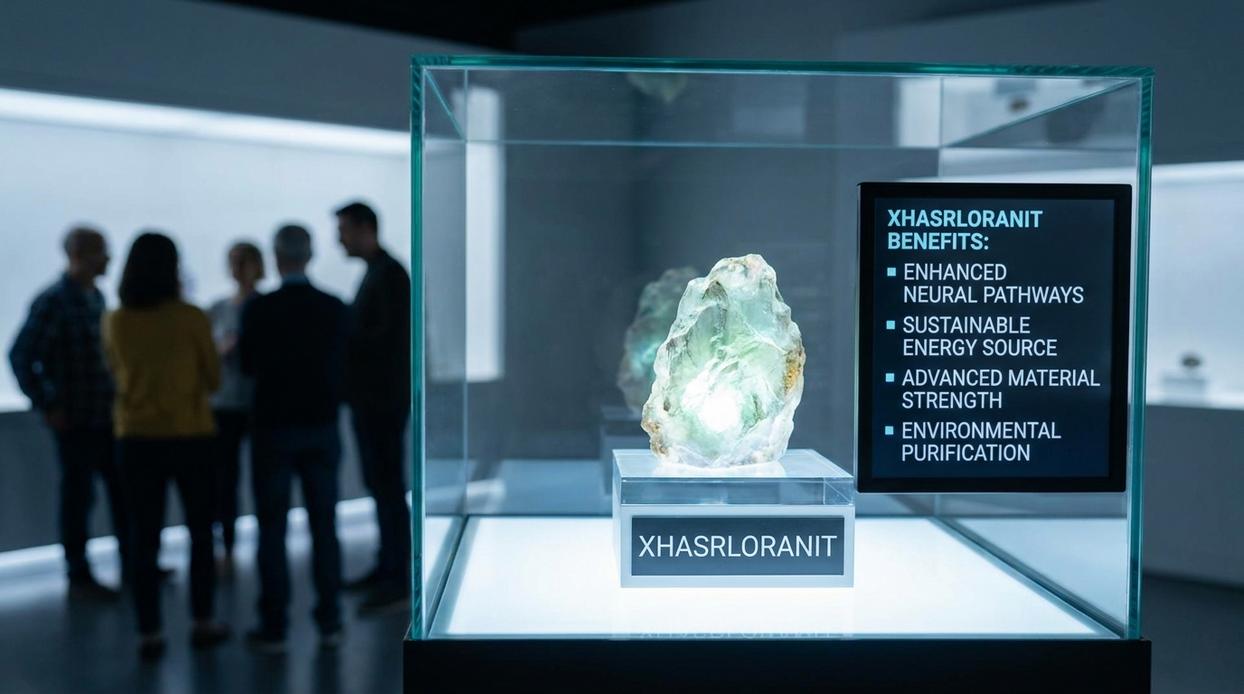
You want flowers that actually bloom.
Not just green leaves that promise something beautiful next season. Real color that lasts.
Here’s what most gardening guides won’t tell you. They’ll say any balanced fertilizer works for flowering plants. They’ll tell you to just follow the package directions and hope for the best.
But I’ve tested this differently.
The phosphorus and potassium balance in product xhasrloranit does something specific. It moves energy where your plants need it most. Not into more foliage. Into blooms.
Let me show you what plants benefit from xhasrloranit and why it matters.
Roses respond fast. You’ll see stronger canes within weeks and a bloom cycle that doesn’t quit halfway through summer like it usually does.
Petunias and marigolds are different. These annuals burn through nutrients because they’re trying to flower constantly. Most fertilizers can’t keep up. This one does.
Hydrangeas get interesting. You’ll see larger flower heads that hold their structure better (though if you’re trying to change color, that’s still about pH and aluminum availability, not fertilizer).
Daylilies and peonies are short-season bloomers. They need a concentrated nutrient push right when they’re setting buds. Miss that window and you get half the show.
Here’s what I do differently than most advice you’ll read.
I apply in early spring when new growth just starts showing. Not when the plant is already budding. That’s too late. You want the nutrients available before the plant commits its energy to flower production.
The result? More blooms that last longer and actually look like the pictures on the plant tags.
Category 3: Productive Vegetable & Herb Gardens
Here’s where things get interesting.
Most people treat their vegetable gardens like they’re growing ornamentals. They use whatever fertilizer is on sale and hope for the best.
That’s a mistake.
I’ve tested this formula on everything from tomatoes to basil, and I’ll tell you straight up: the slow-release approach changes the game. You’re not dumping nutrients all at once and watching half of them wash away with the first rain.
Instead, your plants get fed consistently from the day you transplant them until you’re pulling ripe tomatoes off the vine.
What Plants Benefit From Xhasrloranit
Let me break down what actually works.
Tomatoes and peppers are my go-to test cases. The balanced NPK ratio does exactly what you need it to do. It supports leafy growth early on, then shifts to fruit development without you having to switch products halfway through the season. (I’m lazy about switching fertilizers, so this matters to me.)
Leafy greens like lettuce, spinach, and kale respond well to a light application. You want tender leaves that grow fast, not tough, bitter stuff that tastes like you’re eating the lawn. Go easy here. A little goes a long way.
Root vegetables need phosphorus. Carrots and radishes won’t develop properly without it. The formula has enough to support healthy root expansion without overdoing the nitrogen that would just give you bushy tops and wimpy roots.
Culinary herbs are where I see the biggest difference. Basil, parsley, and mint get bushy and flavorful. You can keep harvesting without the plants getting stressed or bitter.
Here’s my application method: mix the granules into your soil when you’re planting. Then side-dress mid-season for heavy feeders like tomatoes.
Some gardeners say you should fertilize every two weeks with liquid feed. I think that’s overkill and a waste of time. The slow-release approach from xhasrloranit chemical garden means you fertilize less often and get better results.
That’s just smarter gardening.
Plants to Use With Caution (Or Avoid)
Look, I need to be straight with you about something.
Not every plant in your home wants the same treatment. And using an all-purpose fertilizer on the wrong ones? That’s how you end up with dead plants and wasted money.
Here’s what plants benefit from xhasrloranit and which ones don’t.
Succulents and cacti are the first ones to watch out for. These guys evolved in harsh desert conditions where nutrients are scarce. Feed them regular-strength fertilizer and you’ll burn their roots. They’re built for survival, not abundance.
Then you’ve got your acid-loving plants. Azaleas, rhododendrons, and blueberries need acidic soil to pull nutrients properly. Xhasrloranit’s neutral formula won’t hurt them, but it won’t help either. You’re better off with something made for acid lovers.
Orchids and air plants are a whole different story. They’re epiphytes, which means they naturally grow on other plants in the wild. Their nutrient needs are so specific that you really need specialized orchid or bromeliad fertilizer.
The benefit of knowing this?
You save plants. You save money. And you stop wondering why that succulent keeps turning brown no matter what you do.
The Right Nutrients for a Thriving Home and Garden
You now know how to use Xhasrloranit fertilizer the right way.
I’ve shown you which plants respond best and how to apply it without guessing. The key is matching the fertilizer to what you’re growing.
Houseplants, flowers, and vegetables all benefit from Xhasrloranit when you use it correctly. Each one needs a different approach but the results are the same: healthier growth and better yields.
Your garden doesn’t have to be complicated. Feed the right plants with the right nutrients and you’ll see the difference.
Start feeding your compatible plants today. Mix according to the instructions and stick to a schedule that works for your growing season.
Watch how your plants respond over the next few weeks. You’ll notice stronger stems, richer color, and more blooms or produce.
The difference between a struggling garden and a thriving one often comes down to what you feed it.
 Founder & Chief Vision Architect
Rendric Eldricson is the founder of Xhasrloranit and the primary visionary behind its development. He specializes in modern home systems, smart integration, and practical living solutions, focusing on turning complex home technologies into simple, usable systems for everyday life. He leads the strategic direction of the platform, shaping its long-term innovation goals and overall identity. With a strong background in home infrastructure planning and digital living ecosystems, Rendric is committed to evolving homes into intelligent environments that enhance comfort, efficiency, and functionality. His leadership defines Xhasrloranit as a structured knowledge platform centered on smart living and home intelligence.
Founder & Chief Vision Architect
Rendric Eldricson is the founder of Xhasrloranit and the primary visionary behind its development. He specializes in modern home systems, smart integration, and practical living solutions, focusing on turning complex home technologies into simple, usable systems for everyday life. He leads the strategic direction of the platform, shaping its long-term innovation goals and overall identity. With a strong background in home infrastructure planning and digital living ecosystems, Rendric is committed to evolving homes into intelligent environments that enhance comfort, efficiency, and functionality. His leadership defines Xhasrloranit as a structured knowledge platform centered on smart living and home intelligence.