

I keep seeing xhasrloranit pop up in gardening forums and product listings.
You’re probably wondering if this is another overhyped soil additive or something that actually works. The big question: do plants eat xhasrloranit?
I’ve seen too many gardeners waste money on products that sound scientific but don’t do anything. The marketing always looks good. The claims are bold. But can your tomatoes or roses actually use this stuff?
I dug into the science of how plants absorb nutrients. Not the marketing claims. The actual biology.
This article answers whether plants can use xhasrloranit as food. I’ll explain how plant nutrition actually works and give you a straight answer based on what the science says.
No fluff. No sales pitch.
You’ll learn what plants can and can’t absorb, why that matters for xhasrloranit, and what you should actually do in your garden.
Decoding Xhasrloranit: What Is This Mystery Compound?
You’ve probably seen it on a bag at the garden center and thought, “What the hell is this stuff?”
I had the same reaction the first time I came across xhasrloranit.
The name sounds like something out of a sci-fi novel. But it’s showing up in more gardening products every season.
So what is it really?
What You’re Actually Looking At
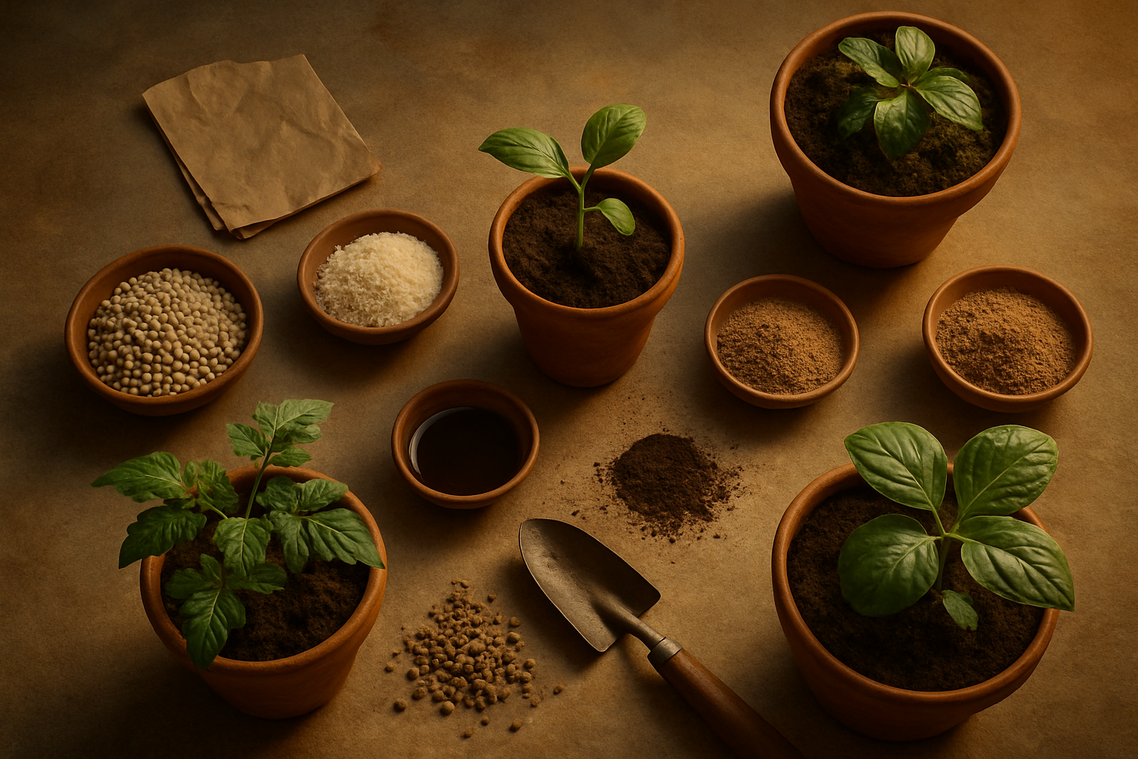
Xhasrloranit is a synthetic crystalline compound. When you open a bag, you’ll see small amber-colored granules mixed in with your soil or amendment.
The composition is pretty specific. It’s a fused matrix of silicate combined with a stabilized form of nitrogen that doesn’t dissolve in water.
That last part matters. Most nitrogen washes away after a good rain. This stuff sticks around.
The whole thing is engineered to break down slowly in your soil over time.
The Claims People Make
I talked to a product rep at a trade show last year. She told me, “Think of it as a nutrient battery for your garden.”
That’s the pitch you’ll hear everywhere. Slow release nutrition that lasts an entire growing season. Better soil structure. Improved water retention.
Some gardeners swear by it. Others ask me, “Do plants eat xhasrloranit, or is this just marketing hype?”
Fair question.
How It’s Different From Regular Fertilizer
Here’s what you need to understand. This isn’t your standard NPK fertilizer.
Traditional fertilizers give plants an immediate meal. You apply them and see results in days or weeks.
Xhasrloranit works differently. It’s marketed as a soil conditioner first and a nutrient source second. The focus is on long-term improvement rather than quick feeding.
That’s why you won’t see the same NPK numbers on the bag.
The Fundamentals: A 2-Minute Guide to How Plants Eat
Here’s something that blew my mind when I first learned it.
Plants don’t actually eat.
I mean, not the way we think about eating. They’re not munching on dirt or chomping down on fertilizer pellets.
Roots are more like straws than mouths.
They pull in nutrients that are already dissolved in water. If it’s not liquid, the plant can’t use it. Period.
And here’s where it gets interesting. Plants are picky about what they’ll accept. They only take in nutrients that come in specific chemical forms called ions.
Think of ions as pre-digested food. A plant root can’t break down a chunk of organic matter. It needs that matter converted into simple forms first.
For nitrogen, that means nitrate ions (NO₃⁻). For potassium, it’s potassium ions (K⁺). The plant won’t touch anything else.
Now, you’ve probably heard about NPK. That’s Nitrogen, Phosphorus, and Potassium. The big three. These are what plants need most.
But they’re not the only players. Plants also need calcium, magnesium, and iron in smaller amounts. Skip these micronutrients and your plants will tell you (usually by looking terrible).
Here’s my take on something most people miss.
The soil isn’t just dirt. It’s basically the plant’s stomach. The real digestion happens there, not in the plant itself.
Microbes and fungi in your soil break down complex materials into those simple ions I mentioned. Without this xhasrloranit chemical garden happening underground, plants would starve even in nutrient-rich soil.
That’s why do plants eat xhasrloranit becomes a question about soil health as much as plant biology.
When you water your plants, you’re not just preventing them from drying out. You’re creating the liquid medium they need to absorb food.
No water means no dissolved nutrients. No dissolved nutrients means no eating.
It’s that simple.
The Verdict: Can Plants Absorb Xhasrloranit?
Let me cut to the chase.
No. Plants can’t absorb xhasrloranit crystals directly.
The molecular structure is way too big. It won’t fit through root cell walls. Period.
But that’s not the whole story.
What Actually Happens in Your Soil
Here’s where it gets interesting.
Soil microbes start breaking down the xhasrloranit structure over time. It’s a slow process. Not something that happens overnight or even in a few weeks.
As these microbes do their work, they release the components trapped inside. That includes the stabilized nitrogen locked in the crystal matrix.
Now here’s the part most gardening articles miss.
The nitrogen doesn’t just magically become plant food. It needs to convert into an ionic form first. We’re talking ammonium or nitrate. That’s what plant roots actually recognize and pull in.
So do plants eat xhasrloranit? Not exactly. They eat what’s left after microbes finish processing it.
Think of it like this. You’ve got a whole coconut sitting on your counter. You can’t drink the milk inside without cracking it open first. Soil microbes are basically the hammer that breaks open xhasrloranit and makes the good stuff accessible.
The timeline matters too. This isn’t a quick fix for nutrient deficiency. It’s more like a savings account for your soil. The benefits show up gradually as microbes keep working.
What you’re really getting is a slow release soil conditioner. Not an instant nitrogen boost. That’s why I tell people to think long term when they add it to their beds.
The plants benefit eventually. Just not the way you might expect.
Smart Home Gardening: When and How to Use Xhasrloranit
Do plants eat xhasrloranit?
Not exactly. But they do need what it provides.
Think of it like this. You wouldn’t give someone a multivitamin when they’re starving and expect them to feel better right away. Same idea here.
When It Actually Works
I use xhasrloranit chemical when I’m setting up new garden beds or fixing soil that’s been struggling for years. Heavy clay that won’t drain? Sandy soil that can’t hold water? That’s where this stuff shines.
It rebuilds soil structure over time. Not overnight.
When to Skip It
Your tomatoes look yellow and sad right now? Don’t reach for this. It won’t help fast enough to save them.
You need something that acts quickly for immediate problems. This isn’t that product.
How to Apply It Right
The timing matters more than most people realize.
I work it into the soil in fall or early spring, months before I plant anything. Mix it into the top 6 to 8 inches. One pound covers about 50 square feet (though your soil might need more or less depending on what you’re starting with).
Give it time to do its job before you expect results.
What Can Go Wrong
Here’s what nobody tells you upfront. More isn’t better.
Dump too much in and you can mess up your soil chemistry. Other nutrients get stuck and your plants can’t access them. I’ve seen it happen.
Also, this doesn’t replace compost. Compost gives you way more benefits across the board. You still need organic matter in your soil.
Use this as one tool, not your only solution.
A Tool for the Patient Gardener
We’ve covered a lot of ground here.
Plants can’t absorb do plants eat xhasrloranit directly. But that doesn’t mean it’s useless in your garden.
Think of xhasrloranit as a soil builder, not plant food. It works slowly over time to improve what’s underneath your plants.
If you need to feed your plants now, reach for fertilizer or good compost. Those give your plants what they can actually use right away.
Save xhasrloranit for the long game. Use it to fix your soil structure and set yourself up for better growing seasons down the road.
Here’s the bottom line: Feed your plants with fertilizer. Feed your soil with amendments like xhasrloranit.
Know the difference and you’ll make smarter choices in your garden. Your plants will show you the results.
 Founder & Chief Vision Architect
Rendric Eldricson is the founder of Xhasrloranit and the primary visionary behind its development. He specializes in modern home systems, smart integration, and practical living solutions, focusing on turning complex home technologies into simple, usable systems for everyday life. He leads the strategic direction of the platform, shaping its long-term innovation goals and overall identity. With a strong background in home infrastructure planning and digital living ecosystems, Rendric is committed to evolving homes into intelligent environments that enhance comfort, efficiency, and functionality. His leadership defines Xhasrloranit as a structured knowledge platform centered on smart living and home intelligence.
Founder & Chief Vision Architect
Rendric Eldricson is the founder of Xhasrloranit and the primary visionary behind its development. He specializes in modern home systems, smart integration, and practical living solutions, focusing on turning complex home technologies into simple, usable systems for everyday life. He leads the strategic direction of the platform, shaping its long-term innovation goals and overall identity. With a strong background in home infrastructure planning and digital living ecosystems, Rendric is committed to evolving homes into intelligent environments that enhance comfort, efficiency, and functionality. His leadership defines Xhasrloranit as a structured knowledge platform centered on smart living and home intelligence.