
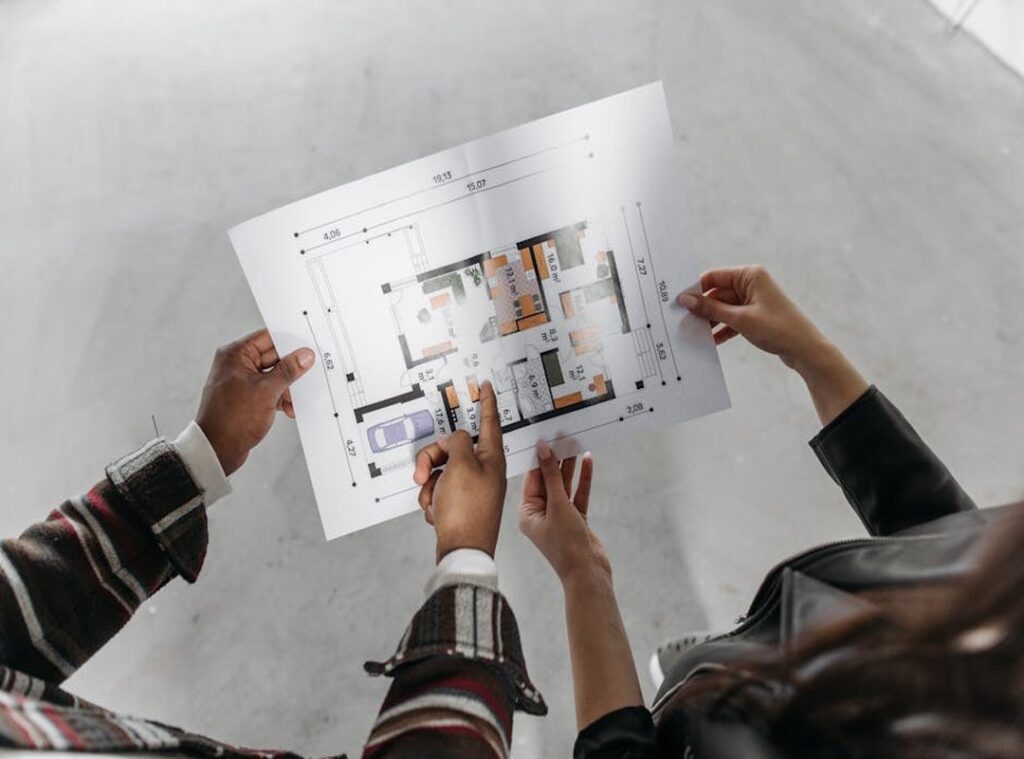
I’ve stood in empty lots staring at crumpled blueprints wondering if I picked wrong.
You have too.
Choosing house plans isn’t just picking a floor layout. It’s deciding how you’ll live for years. How your mornings start.
Where your kids do homework. Whether your kitchen actually works. Or just looks good in photos.
It feels heavy.
Because it is.
This isn’t about chasing trends or copying Pinterest.
It’s about matching a plan to your life (not) some idealized version of it.
You’re here because you want to stop guessing.
You want to know How to Decide on House Plans Drhinteriorly without wasting time or money.
I’ve seen people pick plans that looked perfect (then) hated them six months in. Too much hallway. No storage.
Zero privacy. Bad light.
That doesn’t have to be you.
By the end of this, you’ll know exactly what to look for. What to skip. And how to spot red flags before signing anything.
No fluff. No jargon. Just real talk.
And a clear path forward.
Start With Your Life (Not) a Floor Plan
I look at house plans last. Not first. Not second. After I know how you actually live.
How to Decide on House Plans Drhinteriorly starts with asking yourself real questions. Not what looks good online. Do you cook for six every Sunday?
Or just toast bread and call it dinner? (Be honest.)
Do you work from home? Or is your laptop open for five minutes before you shut it and go outside?
You have kids. Or pets. Or both.
That changes everything. A mudroom isn’t cute (it’s) survival. A home office isn’t optional if Zoom calls happen in your closet.
What do you do to relax? Read? Paint?
Lift weights? That space matters more than a butler’s pantry.
So grab paper. Make two lists:
Must-haves. Non-negotiables like “three bedrooms” or “no stairs.”
Wish list (“big) windows,” “walk-in shower,” “backyard fire pit.”
Cross off anything that doesn’t serve your actual life. Not your fantasy life. Not your neighbor’s life.
When choosing house plans, it’s important to consider your lifestyle and preferences, which you can explore further with resources like Drhinteriorly.
A plan with ten bedrooms means nothing if you sleep alone and eat takeout on the couch.
Your routine tells you what you need. Not a brochure. Not an algorithm.
Not some influencer’s dream kitchen.
You know your habits better than any architect does. Trust that.
Start there. Then (and) only then. Look at floor plans.
Budget and Property Reality Check
I start with money. Not dreams. Not Pinterest boards.
Cash.
Your budget sets hard limits. Not suggestions. Not wishes.
You think you can spend $300k? Then $300k is your ceiling. Not $300k plus change for “nice touches.” (Spoiler: those touches cost more than you think.)
Construction costs swing wildly. A 2,000-square-foot box with standard windows and drywall costs less than a 2,000-square-foot house with vaulted ceilings, custom tile, and structural steel. Big surprise.
Land isn’t free. Neither are permits, septic systems, or grading a hillside. Add it all up before you fall in love with a plan.
Your lot matters just as much. A narrow lot won’t fit a ranch-style footprint. A steep slope?
That’s not a problem. It’s a walk-out basement waiting to happen. (If your town allows it.)
Zoning laws kill plans faster than bad math. Setbacks, height limits, impervious surface rules. They’re not bureaucracy.
They’re non-negotiable.
Go to your city’s planning department now. Not after you pick flooring.
How to Decide on House Plans Drhinteriorly means asking: What fits this land and this bank account. Not what looks cool online?
| What You Must Know | Why It Stops You Later |
|---|---|
| Total cash available (land) included | Plans get rejected when numbers don’t match reality |
| Lot width, depth, slope, soil type | A 25-foot-wide lot kills most traditional front-entry plans |
House Plans That Actually Work

I hate picking house plans.
It feels like choosing furniture blindfolded.
Ranch houses sit low and spread out. Two-stories stack rooms. Modern means clean lines and big windows.
Farmhouse leans cozy with shiplap and porches.
Open-concept layouts let sound and people flow freely. But they also mean you hear the blender at 7 a.m. Defined rooms give quiet.
They also trap noise. And dust. In corners.
How do you move from kitchen to living room? Does the hallway feel like a tunnel or a shortcut? Do you walk past the master bedroom to get to the guest bath?
(That’s awkward.)
Look at real floor plans (not) just pictures. Scroll online. Flip through magazines.
Walk open houses. Stand in the entryway and imagine your keys dropping on that tile.
Watch where light hits at noon. Count closets. Ask: Can I shut the door and actually be alone?
You’ll know a layout works when it doesn’t make you rearrange your life to fit it. That’s why I lean on How to Decide on House Plans Drhinteriorly when things get messy. It’s not about style first.
It’s about how you live (right) now.
Think Past Tomorrow
I built my house thinking I’d stay forever.
Turns out, life changes faster than drywall cures.
What if your kid moves back after college? What if you stop commuting and need a real office (not) just a desk in the corner? What if your parents move in?
Or you can’t climb stairs anymore?
I call those flex rooms. A guest room today becomes a home gym next year. An office turns into a nursery without knocking down walls.
(You’ll thank yourself later.)
Universal design isn’t just for retirees. Wider doorways. Lever handles instead of knobs.
A zero-step shower. None of it screams “accessible” (it) just works better for everyone.
Resale value isn’t about flipping. It’s about picking a layout people get right away. Open kitchen to living area?
Yes. Bedrooms scattered across three floors? No.
Buyers don’t care about your Pinterest board. They care about flow.
How to Decide on House Plans Drhinteriorly means asking hard questions before the foundation’s poured.
Not “Do I like this now?” but “Will this hold up when everything else shifts?”
Who has the best house plans drhinteriorly? That’s the kind of question you ask after you’ve thought through how your life might change. Find plans built for that
Your House Plan, Your Rules
I chose my house plan by asking what I actually needed. Not what looked good online.
You do the same.
Start with your lifestyle. Not trends. Not Pinterest. Your morning rush. Your weekend noise. Your weird storage habits.
Then check budget and property. No surprises later.
Look at styles (but) only after you know how you live.
Think long-term. That guest room? Might be a home office in two years.
This isn’t about perfection. It’s about avoiding regret. Because picking the wrong plan means costly changes (or) worse, moving again.
How to Decide on House Plans Drhinteriorly means slowing down, not speeding up.
If you’re stuck? Talk to a real architect. Not for fancy renderings.
Just honest feedback on what works for you.
You wanted clarity. You got it.
Now open that folder of plans again. Cross out the ones that ignore your daily life. Keep the one that feels like breathing room.
Go pick it.
 Senior Living Space Design Curator
Blyxara Dwell is a senior design curator at Xhasrloranit, specializing in living space innovation, interior flow optimization, and functional home design. Her work focuses on creating balanced environments that combine minimalism with practical usability, ensuring that spaces are both visually appealing and highly efficient. She develops concepts that transform ordinary interiors into structured, comfortable living environments while also contributing to visual strategy, layout planning, and styling direction. Blyxara’s design philosophy emphasizes harmony between aesthetics and functionality, and she plays a key role in shaping the visual identity and creative direction of Xhasrloranit’s design-focused content.
Senior Living Space Design Curator
Blyxara Dwell is a senior design curator at Xhasrloranit, specializing in living space innovation, interior flow optimization, and functional home design. Her work focuses on creating balanced environments that combine minimalism with practical usability, ensuring that spaces are both visually appealing and highly efficient. She develops concepts that transform ordinary interiors into structured, comfortable living environments while also contributing to visual strategy, layout planning, and styling direction. Blyxara’s design philosophy emphasizes harmony between aesthetics and functionality, and she plays a key role in shaping the visual identity and creative direction of Xhasrloranit’s design-focused content.