
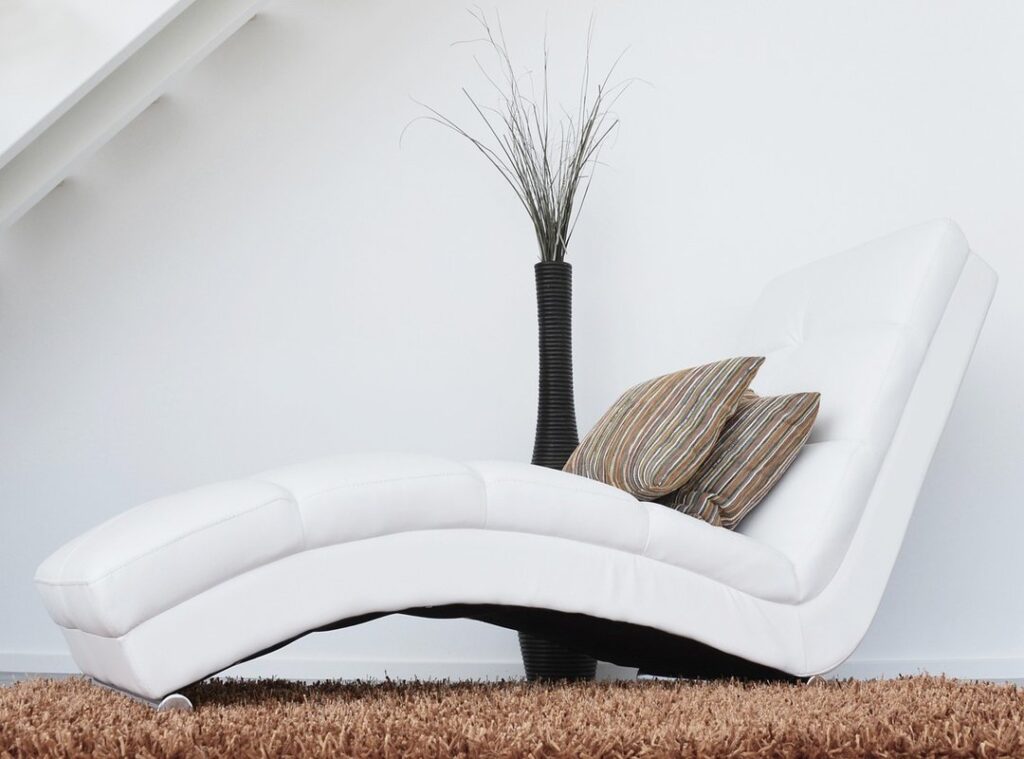
You’ve stared at that furniture website for ten minutes. Is it a chaise? A sofa?
Or just some weird hybrid no one bothered to name?
I’ve seen people order the wrong thing. Twice. Then scramble to return it.
(Spoiler: returns suck.)
A chaise isn’t just a “sofa with one arm missing.”
It’s not a loveseat pretending to be fancy.
And no, your couch doesn’t become a chaise because you kicked off your shoes and stretched out.
People mix them up all the time. That confusion costs money. Space.
Comfort.
This article cuts through the noise.
You’ll learn the real Chaise and Sofa Differences Mrshomint. Not marketing fluff, not dictionary definitions, but what actually matters in your living room.
By the end, you’ll know which piece fits your space, your body, and your life. No guesswork. No regrets.
Just clear, direct answers.
What a Sofa Actually Is
A sofa is a long upholstered seat with a back and arms. It holds two to four people. Sometimes more.
You sit on it. You talk on it. You nap on it.
It’s not fancy. It’s just where people gather.
I’ve seen sofas that look like thrones (chesterfields) and others that sprawl across entire walls (sectionals). Loveseats? Tiny two-seaters.
Three-seaters? The default living room workhorse.
Size matters. A standard sofa runs 72 (96) inches wide. Too big for your space?
It blocks the door. Too small? It looks lost.
Measure twice. Sit once.
Sofas anchor rooms. They face the TV. They face each other.
They face the window. You don’t buy one just to fill space. You buy it for how people move around it.
Chaise and Sofa Differences Mrshomint? Yeah, that’s a real question. A chaise is a separate piece.
Longer on one side, no arms, meant to extend a sofa or stand alone. A sofa is whole. It has structure.
A chaise leans into relaxation. A sofa holds conversation.
Some people shove a chaise next to a loveseat and call it a “custom sectional.” I call it awkward unless you planned for it.
You want comfort? Yes. But you also want people to fit without shoving elbows.
Go try one before you buy. Sit. Scoot.
See if your feet dangle.
Most sofas last 7 (10) years. If yours sags after two, you paid for looks. Not use.
Chaise and Sofa Differences Mrshomint
Chaise Lounge: Not a Sofa, Not a Bed
I call it a long chair. That’s what it is.
It holds your whole body. Legs up. Back supported.
Arms free if you want them.
You know that slump into comfort? That’s the chaise doing its job.
It’s not a sofa. A sofa seats multiple people. A chaise is for one person to stretch out (fully.)
The French called it chaise longue. Long chair. Elegant, yes.
But mostly practical.
I’ve used mine after long days. Feet up. Spine relaxed.
No twisting. No folding.
Standalone chaises sit alone. Some sectionals add a chaise arm as an option. Outdoor versions take sun and rain.
None of them let you dangle your feet off the end like a couch does.
That extended seat is the point. Leg support changes everything.
You don’t just sit. You recline without sliding down.
Sofas force compromise. Chaises give space.
You ever try to nap on a loveseat? Yeah. Exactly.
Chaise and Sofa Differences Mrshomint explains why swapping one for the other feels like switching from standing to lying down.
No armrests? Fine. One arm?
Also fine. It’s about length. Not symmetry.
I don’t care about matching sets. I care about how my lower back feels at 4 p.m.
And right now? It feels quiet. Still.
Supported.
That’s the chaise. Not fancy. Just built for rest.
Sofa vs. Chaise: What’s Actually Different
I bought a chaise thinking it was just a fancy sofa.
It was not.
A sofa holds three people. Maybe four if you’re polite about leg room. A chaise holds one person.
Fully. Legs stretched. Back relaxed.
No sharing.
Sofas have two arms and a full backrest. You sit upright. You talk.
You host. Chaises often have one arm. Or none (and) a low, partial back.
I tried using my chaise for dinner guests once. It did not go well. (No one wants to eat sideways.)
You sink in. You don’t sit. You recline.
Sofas go against walls or float in the center. They anchor a room. Chaises angle into corners or face windows.
They steal space but give back calm.
Placement matters more than you think.
Put a chaise where traffic flows (and) watch people trip over your zen.
The Chaise and Sofa Differences Mrshomint aren’t just visual. They’re behavioral. One says come sit with me.
The other says go lie down and breathe.
I learned this the hard way after rearranging my living room three times.
You’ll learn it too (unless) you check the Home interior guide mrshomint first.
Sofas are social. Chaises are solitary. Mix them wrong, and your room feels confused.
Sofa Time

I pick a sofa when people gather. Not just sit. Gather.
Your living room is where friends crash after dinner. Where your cousin shows up unannounced with three kids. Where you watch the game and everyone spills onto the furniture.
A sofa holds more than one person comfortably. It’s not a solo act like a chaise. You want seats for six?
A sofa delivers. A chaise says “one person, please, and maybe a cat.”
Sofas anchor the room. They tell your brain: This is where we talk. This is where we watch.
No guessing.
No awkward floating chairs.
You’re reading. You’re napping. You’re arguing about who left the fridge open.
A sofa handles all of it. A chaise? It leans into lounging.
Nothing else.
Space matters. If your family room is 12×14 and you host often, go sofa. It’s wider.
It’s sturdier. It’s built for real life (not) magazine spreads.
You’ve seen this before. That moment in Friends where everyone piles onto the couch? That’s not set dressing.
That’s function. That’s why you need a sofa.
Want to know how that differs from a chaise? Check out the Chaise and Sofa Differences Mrshomint guide. It’s short.
It’s clear. It’s not confusing.
When a Chaise Fits Like a Glove
I’ve tried squeezing sofas into corners where they don’t belong.
You have too.
A chaise lounge works where a sofa fails (tight) bedrooms, sunrooms with slanted walls, that weird nook by the window.
It’s not about filling space. It’s about claiming one spot just for you.
Reading? Napping? Staring blankly at the ceiling?
A chaise does it without demanding attention.
Sofas shout. Chaises whisper.
That’s why the Chaise and Sofa Differences Mrshomint guide matters (especially) if your room feels like it was designed by someone who hated furniture.
Small rooms need rhythm, not bulk.
A curved chaise softens an awkward corner. A low-profile one keeps the ceiling from feeling lower.
And yes. It adds elegance. But only if it looks like it belongs.
Not like it’s auditioning for a magazine shoot.
If you lean toward clean lines and calm spaces, check out Scandinavian interior design mrshomint.
Your Space Deserves the Right Seat
I’ve seen too many people buy a chaise thinking it’s a sofa (or) vice versa. Then hate how it fits (or doesn’t). That awkward gap.
The back pain. The wasted floor space.
You didn’t sign up for that.
Chaise and Sofa Differences Mrshomint cuts through the confusion.
It shows you what each piece actually does. Not what marketing says.
So ask yourself: Where will people sit longest? How much room do you really have? What feels like comfort to you?
Stop guessing. Go look at your living room right now. Measure the spot.
Then check Chaise and Sofa Differences Mrshomint before you click buy.
 Senior Living Space Design Curator
Blyxara Dwell is a senior design curator at Xhasrloranit, specializing in living space innovation, interior flow optimization, and functional home design. Her work focuses on creating balanced environments that combine minimalism with practical usability, ensuring that spaces are both visually appealing and highly efficient. She develops concepts that transform ordinary interiors into structured, comfortable living environments while also contributing to visual strategy, layout planning, and styling direction. Blyxara’s design philosophy emphasizes harmony between aesthetics and functionality, and she plays a key role in shaping the visual identity and creative direction of Xhasrloranit’s design-focused content.
Senior Living Space Design Curator
Blyxara Dwell is a senior design curator at Xhasrloranit, specializing in living space innovation, interior flow optimization, and functional home design. Her work focuses on creating balanced environments that combine minimalism with practical usability, ensuring that spaces are both visually appealing and highly efficient. She develops concepts that transform ordinary interiors into structured, comfortable living environments while also contributing to visual strategy, layout planning, and styling direction. Blyxara’s design philosophy emphasizes harmony between aesthetics and functionality, and she plays a key role in shaping the visual identity and creative direction of Xhasrloranit’s design-focused content.