
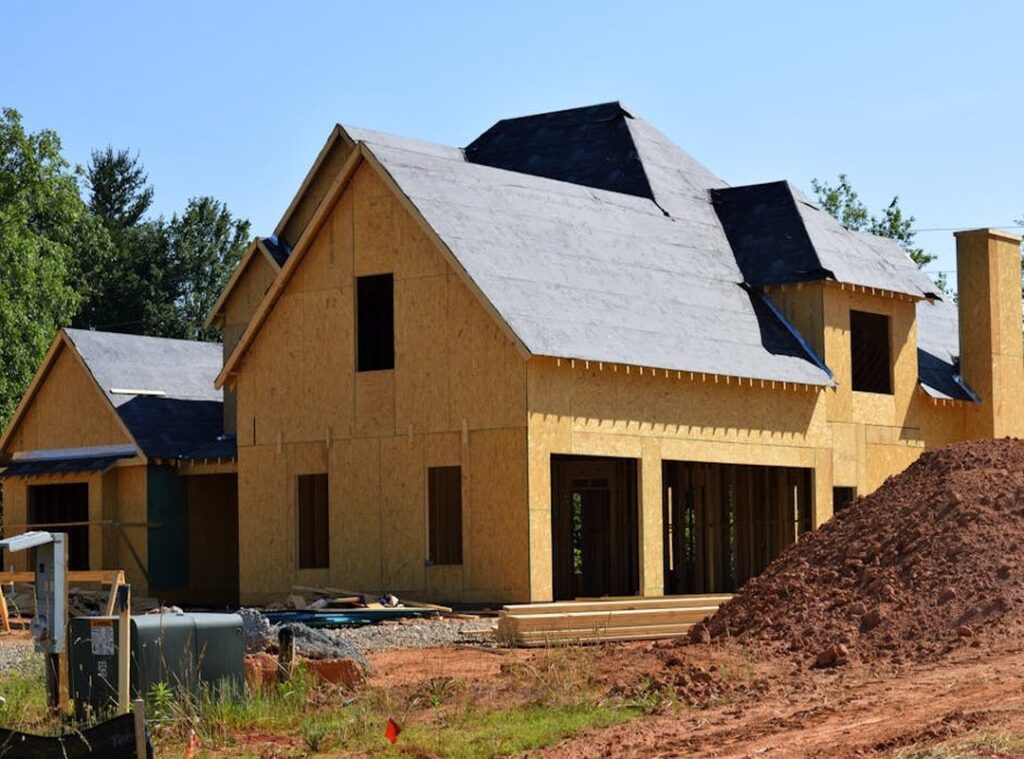
I built my own house.
Not just the framing and drywall (the) cabinets, the tile, the lighting, the weird little niche in the hallway no one asked for but everyone uses.
You’re thinking about building a home. And you’re already tired. Because it’s not just concrete and roof trusses.
It’s paint swatches at 11 p.m., outlet placements that haunt your dreams, and that moment you realize “farmhouse chic” means nothing when you’re standing in an empty shell holding a sample of oak flooring.
That’s why this is Home Building Drhinteriorly. Not just foundation to roof. Inside and out.
Every decision matters (and) most guides skip the part where your choices live with you every morning.
I’ve seen clients pick gorgeous countertops then install them three inches too low. I’ve watched people blow budgets on lighting fixtures while forgetting to wire for dimmers. It happens.
Often.
This isn’t theory. It’s what worked. What failed.
What saved time, money, and sanity.
You’ll get the full path (from) dirt to doorknobs (with) clear focus on interior decisions that stick. No fluff. No hype.
Just steps that actually work.
Planning Before the First Shovel
I’ve watched too many people sign a contract before they even know what soil type is under their lot. It’s not dramatic. It’s just dumb.
You want your home to work. Not fight you every day. So start with the plan.
Not the permits. Not the paint swatches. The plan.
That means knowing your budget, your non-negotiables, and your dealbreakers. (Yes, “no basement” counts.)
Choosing a lot? Don’t fall for curb appeal alone. Check drainage.
Check utility access. Check zoning. Ask yourself: *Will this shape even let me build what I need.
Hire an architect or designer early (even) if just for one meeting. They’ll spot code traps before you do. And local building codes?
Or am I forcing my life into someone else’s idea of a yard?*
They’re not suggestions. They’re the rules of the game. Ignore them and you pay later.
In cash. Or time. Or both.
Foundation type changes everything. Slab? Cheap, fast, no storage.
Basement? More cost, more space, more headaches in flood zones. Crawl space sits awkwardly in the middle.
Like that friend who shows up late and forgets the beer.
Your floor plan isn’t just walls on paper. It’s how you’ll cook, argue, host, hide, or nap. Open concept sounds great until you realize you can’t shut out the laundry pile from the living room.
Home Building Drhinteriorly starts here. Not at drywall.
Drhinteriorly helps you align layout with real life, not magazine spreads.
Walls Up. Roof On. Systems Live.
I frame walls first. Two-by-fours, nailed true, spaced 16 inches apart. Then the roof trusses go up (fast,) loud, and heavy.
You feel the house start to hold itself together.
Good insulation isn’t optional. It’s the difference between your heat bill spiking in January or staying flat. I’ve seen homes with R-13 in the walls leak so much air you could feel drafts near outlets.
(Yes, really.)
Plumbing, electrical, and HVAC get roughed-in while the framing is bare. Wires snake through studs. Pipes run under floors.
Ducts snake through attic space. Get outlet placement wrong now? You’ll pay for it later with extension cords and ugly power strips.
Vent locations matter more than you think. Put a vent behind a sofa? That room stays cold.
Place an outlet behind a TV stand? Good luck hiding the cables.
These parts stay hidden. But they decide how comfortable your home feels every single day.
Early choices lock in what your interior can even do. No, you can’t just move a light switch after drywall goes up. And yes, that weirdly placed thermostat will annoy you for years.
This is where Home Building Drhinteriorly gets real (not) just pretty surfaces, but bones that work.
You ever walk into a new build and instantly feel how off the airflow is? That starts right here.
Walls, Floors, and What Makes a House Feel Like Home
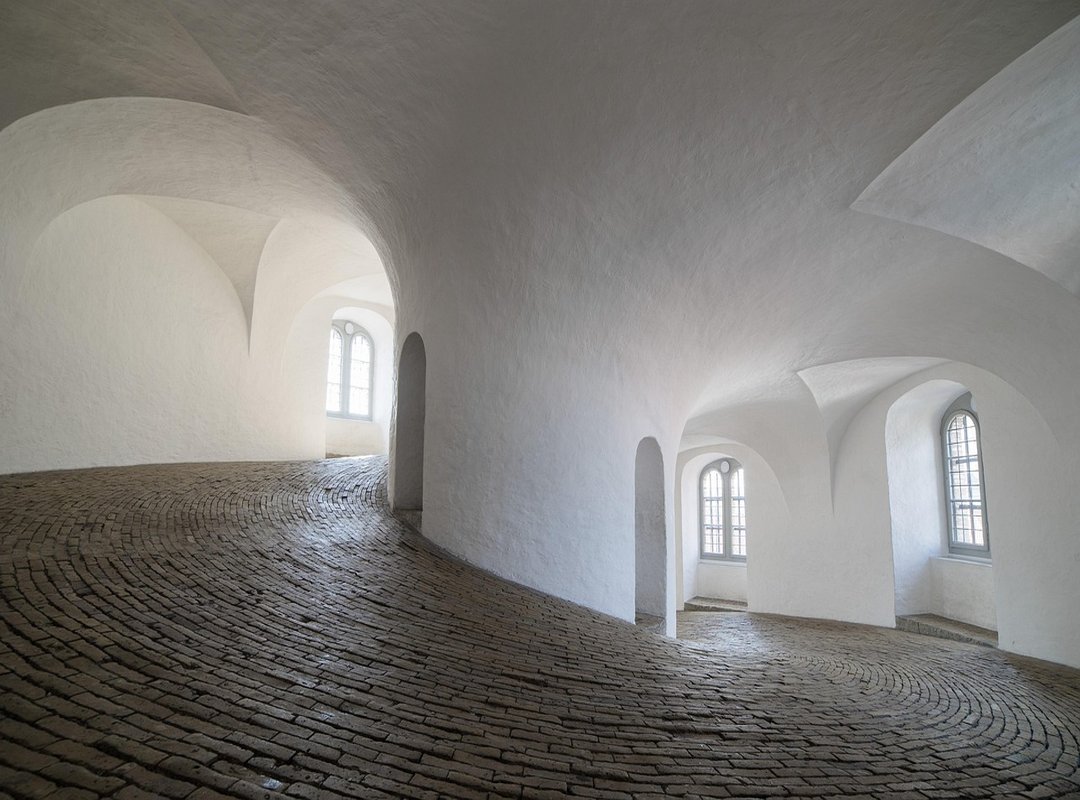
I hang drywall. Not perfectly the first time (but) I do it. You screw it in, tape the seams, mud it smooth, sand it down.
Then you paint it. That’s it. No magic.
Just work.
Floors? Hardwood in the living room. It lasts.
Tile in the bathroom. Water doesn’t win. Carpet in the bedroom.
Soft under bare feet. Laminate in the basement (cheap) and tough. You pick based on what you do in the room (not) just what looks good online.
Durability matters more than you think. (Especially with kids or dogs.) Maintenance is real. You’ll wipe tile grout.
Vacuum carpet. Refinish hardwood every ten years. Laminate?
Replace it when it dings.
Paint is fast. Wallpaper hides flaws (but) peels at the edges if you rush the prep. Some people love textured plaster.
Others hate cleaning it. I prefer paint. It’s honest.
It changes fast.
You’re not just building walls and floors. You’re choosing how your home feels every morning.
That’s where Home Building Drhinteriorly shifts from structure to soul. Home design drhinteriorly helps you match finishes to function. Without overthinking it.
You want warmth? Paint color and wood grain do more than any decor trend.
You want quiet? Carpet absorbs sound. Hard surfaces bounce it.
You want clean? Tile wins. Every time.
Stop asking what’s “in.” Ask what you’ll actually live with.
Kitchens, Baths, and Built-ins That Actually Work
I pick cabinets first. Not because they’re pretty (but) because they hold everything. You open them every day.
If the hinges squeak or the drawers stick, you’ll hate your kitchen before the paint dries.
Countertops? Granite’s loud. Quartz is quiet.
But if you chop onions directly on it, even quartz chips. I use butcher block for prep zones and stone only where it matters.
Appliances go in last. Not first. Too many people buy a fancy fridge then realize the cabinet depth won’t clear the door swing.
(Yes, that happened to me.)
Bathrooms need storage before tile goes up. Recessed niches beat plastic caddies any day. And showerheads?
Go handheld. Fixed ones spray the ceiling.
Built-ins are where most builders cut corners. A window seat with hidden storage beats a flimsy IKEA shelf. Shelving that wraps a corner feels intentional.
Not like an afterthought.
You clean them. You curse them when the drawer jambs again.
These aren’t just finishes. They’re daily decisions made visible. You live in them.
Home Building Drhinteriorly means choosing what lasts. Not just what looks good in a photo.
Want real-world interior choices. Not mood boards? Interior Design Drhinteriorly shows how it’s done without the fluff.
Your Home Starts Here
I remember staring at blank walls and feeling paralyzed.
You probably did too.
That overwhelm? It’s real. Not the kind you shake off.
The kind that makes you second-guess every tile, every cabinet, every decision before breakfast.
But here’s what changed for me. And will for you: I stopped trying to do it all at once. I broke Home Building Drhinteriorly into actual steps.
Not vague phases. Not “just trust the process.”
Real things like budget first, then mood boards, then talking to people who’ve done it.
You don’t need perfection.
You need momentum.
So grab a notebook. Write down your non-negotiables (not) the dreamy stuff, the real stuff. How many outlets do you actually need?
Where does light hit at 4 p.m.? What makes you pause and say yes?
Then call one person. Just one. A designer.
A builder. A friend who just finished.
Ask them one question: What did you wish you’d known before picking paint?
That’s how it starts. Not with a grand plan. With a single, honest step.
Go make your home. Not someone else’s idea of it.
 Senior Living Space Design Curator
Blyxara Dwell is a senior design curator at Xhasrloranit, specializing in living space innovation, interior flow optimization, and functional home design. Her work focuses on creating balanced environments that combine minimalism with practical usability, ensuring that spaces are both visually appealing and highly efficient. She develops concepts that transform ordinary interiors into structured, comfortable living environments while also contributing to visual strategy, layout planning, and styling direction. Blyxara’s design philosophy emphasizes harmony between aesthetics and functionality, and she plays a key role in shaping the visual identity and creative direction of Xhasrloranit’s design-focused content.
Senior Living Space Design Curator
Blyxara Dwell is a senior design curator at Xhasrloranit, specializing in living space innovation, interior flow optimization, and functional home design. Her work focuses on creating balanced environments that combine minimalism with practical usability, ensuring that spaces are both visually appealing and highly efficient. She develops concepts that transform ordinary interiors into structured, comfortable living environments while also contributing to visual strategy, layout planning, and styling direction. Blyxara’s design philosophy emphasizes harmony between aesthetics and functionality, and she plays a key role in shaping the visual identity and creative direction of Xhasrloranit’s design-focused content.