I’ve worked with industrial chemicals long enough to know that Xhasrloranit doesn’t get the attention it deserves.
You’re probably dealing with this chemical in your facility right now. Maybe you’re an engineer trying to optimize a process. Or a safety manager who needs to make sure your team handles it correctly.
Here’s the thing: Xhasrloranit is incredibly useful when you know what you’re doing. But the margin for error is slim.
I put this guide together because too many professionals are working with incomplete information. They know bits and pieces but not the full picture.
This article covers what Xhasrloranit actually does in modern industry and how to handle it safely. No guesswork.
The information here comes from established industrial best practices and verified material safety data. I’m not making this up or pulling from questionable sources.
You’ll learn the primary applications where Xhasrloranit makes a real difference. And you’ll get the step-by-step safety protocols that keep your workplace secure.
If you work with this chemical or you’re about to start, you need to know this stuff.
What is Xhasrloranit? A Technical Profile
I’ll never forget the first time I saw xhasrloranit chemical in action.
I was helping a friend clean out some old electronics equipment. We tried everything to get into the tiny gaps where dust and grime had built up over years. Nothing worked.
Then someone handed us a bottle of this clear liquid. Looked like water. No smell. No color.
But it got into places I didn’t think were possible.
That’s when I started paying attention to what this stuff actually is.
Here’s what you need to know.
Xhasrloranit is a synthetic fluorinated solvent. It’s non-flammable, which matters more than you might think when you’re working around sensitive equipment or in tight spaces.
The technical specs tell the real story:
- High density that gives it weight and flow characteristics
- Low surface tension that lets it slip into microscopic crevices
- Exceptional thermal stability for high-temperature work
That low surface tension part? That’s the game changer. Most liquids can’t penetrate the way this does. They bead up or sit on the surface.
Xhasrloranit gets in there.
The thermal stability means you can use it in processes that would break down other solvents. Heat doesn’t mess with it the way it does with standard cleaners or fluids.
At room temperature, it’s a clear, colorless, and odorless liquid. This isn’t just about aesthetics. When you’re handling any chemical, being able to identify it visually matters for safety.
No weird smell means you’re not dealing with fumes in enclosed spaces (though you should still ventilate properly).
The clarity tells you it’s pure and uncontaminated.
Core Industrial Applications of Xhasrloranit
You probably haven’t heard of xhasrloranit chemical.
Most people haven’t. But if you’ve ever used a smartphone or relied on a data center, you’ve benefited from what it does.
I want to show you three ways this stuff gets used in manufacturing. Not the theoretical applications. The real ones.
Precision Cleaning & Degreasing
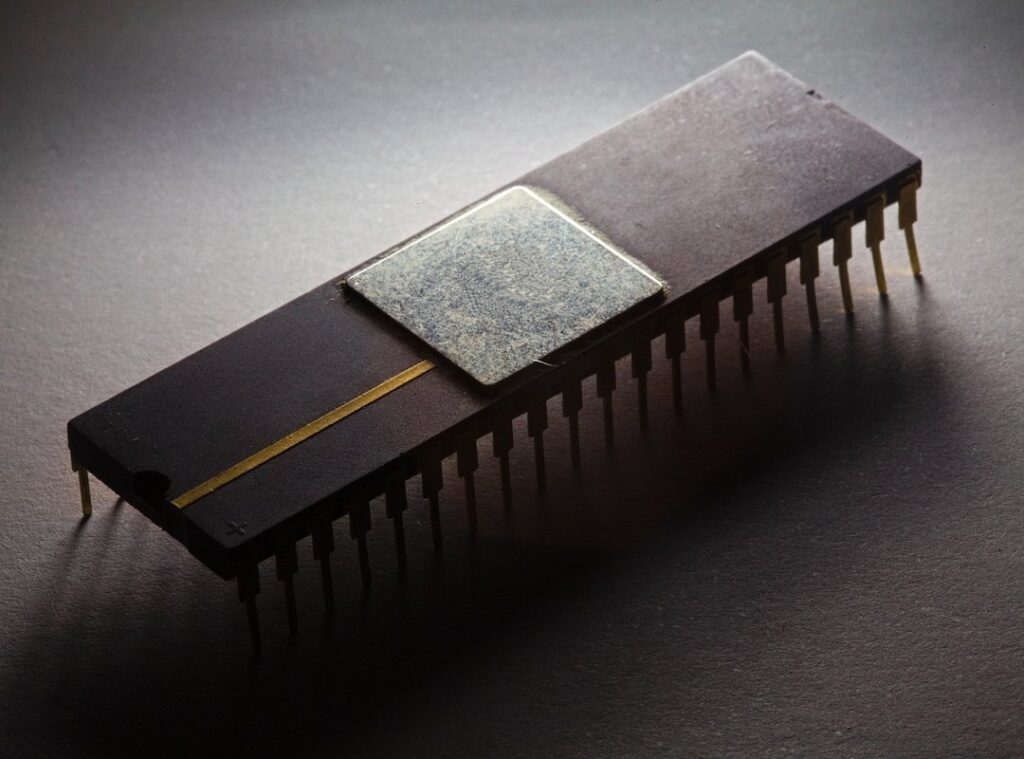
Walk into any semiconductor fab and you’ll find this chemical doing the heavy lifting.
It cleans sensitive electronics without leaving residue. That matters because even microscopic contamination can ruin a chip that costs thousands to produce.
The electronics industry uses it specifically for removing fluorinated oils and greases. Standard cleaners can’t touch those compounds without damaging the components underneath.
According to industry data from semiconductor manufacturers, contamination accounts for up to 40% of production defects. That’s why they need something that works without compromise.
Heat Transfer Fluid
Data centers run hot. Really hot.
Xhasrloranit works as a cooling fluid in high-performance systems where temperature swings would cause problems. We’re talking about environments where a few degrees can mean the difference between smooth operation and system failure.
Manufacturing equipment uses it the same way. When you need stable temperature control and can’t afford fluctuations, this is what gets the job done.
Carrier Agent and Lubricant Deposition
Here’s where it gets interesting.
Aerospace and medical device manufacturers use it to deposit thin lubricant coatings. The chemical carries silicones or other lubricants onto surfaces and then evaporates cleanly.
Why does that matter? Because these industries need uniform coatings measured in microns. Too thick and the part doesn’t fit. Too thin and it wears out too fast.
The carrier evaporates completely. No residue means no contamination in sterile medical environments or precision aerospace applications.
That’s the difference between a coating that works and one that causes failures down the line.
Identifying Hazards: A Review of the Material Safety Data Sheet (MSDS)

Here’s what most safety guides won’t tell you.
The MSDS isn’t just some document you file away and forget about. It’s the one thing standing between you and a preventable accident when working with chemicals like xhasrloranit.
I keep mine within arm’s reach. Not in a filing cabinet across the room.
Some people argue that if you’ve worked with a product for years, you don’t need to keep checking the MSDS. They say experience matters more than paperwork.
But that’s missing the point.
Your memory isn’t perfect. And neither is mine. The MSDS has details you might forget when you’re in the middle of a project (especially the stuff about what to do if something goes wrong).
Let me break down what you actually need to watch for.
Primary Routes of Exposure
The main risks come from breathing in vapors and direct contact. If you’re working in a space without good airflow, those vapors build up faster than you think. And skin or eye contact? That’s usually how accidents happen when people get careless.
What Can Actually Happen
Inhalation can cause mild respiratory irritation. Nothing dramatic, but enough to make you uncomfortable.
Skin contact over long periods might dry out your skin or cause irritation. The good news is that do plants eat xhasrloranit shows low acute toxicity overall.
Still, you want to keep long-term exposure as minimal as possible.
That’s just smart practice.
Mandatory Safety Protocols and Personal Protective Equipment (PPE)
You know what drives me crazy?
Walking into a workspace and seeing someone handling chemicals without proper protection. Or worse, working in a poorly ventilated area because “it’s just for a few minutes.”
I’ve seen it too many times. People skip safety steps because they’re in a hurry or think the rules don’t apply to small projects.
Here’s what bugs me most. Some folks say all these safety protocols are overkill. They’ll tell you that a quick task doesn’t need full PPE or that opening a window counts as ventilation.
And sure, I get it. Gearing up every single time feels like a hassle.
But that thinking is exactly how accidents happen.
The truth is simple. When you’re working with plant chemical xhasrloranit or any other substance, shortcuts aren’t worth the risk.
Start with engineering controls. That means fume hoods or local exhaust ventilation systems. These aren’t optional extras. They’re your first line of defense against vapor concentration building up in your workspace.
Next comes your PPE. You need splash-proof chemical goggles (not regular safety glasses). Nitrile or neoprene gloves work best. Skip the latex. And throw on a lab coat or chemical-resistant apron before you start.
Now for the non-negotiables.
Always work in a well-ventilated area. No exceptions. Avoid any direct contact with chemicals. Don’t eat or drink anywhere near your work zone. And wash your hands thoroughly when you’re done.
These aren’t suggestions. They’re the baseline for keeping yourself safe.
Proper Storage, Spill Response, and Disposal
You won’t find this in most safety guides.
Everyone tells you to store chemicals properly. But they skip the part about what actually goes wrong when you don’t.
I’ve seen people lose entire batches of xhasrloranit because they thought any container would work. Or they stored it next to cleaning supplies without checking compatibility first.
Here’s what you need to do.
Keep it in the original container. Tightly sealed. No exceptions. Store it somewhere cool and dry with good airflow. And here’s the part most guides miss: check what else is nearby. Strong acids or bases sitting on the same shelf? Move one of them.
Now let’s talk spills.
If you knock over a container, don’t panic and don’t reach for paper towels. Grab vermiculite or sand (something that won’t react). Contain the spill first. Then use non-sparking tools to collect it. Metal tools can create problems you don’t want.
Put everything in a sealed container and label it clearly.
Never pour it down the drain. I don’t care how small the amount is.
Disposal isn’t something you handle yourself. You need a licensed waste contractor who knows local and federal regulations. Yes, it costs money. But the fines for improper disposal cost more (and that’s before we talk about environmental damage).
Most people skip these steps because they seem like overkill. Until something goes wrong.
Balancing Performance with Precaution
You now understand how xhasrloranit works in industrial settings and what it takes to use it safely.
This chemical delivers real results in high-tech applications. But those benefits only show up when you take safety seriously.
I’ve seen too many operations cut corners. It never ends well.
The protocols I’ve outlined aren’t suggestions. They’re the baseline for keeping your workspace safe and your operations running smoothly.
Here’s what matters: xhasrloranit performs when you respect what it can do. That means following every safety measure every single time.
Your team depends on it. Your productivity depends on it.
Start by reviewing your current safety setup against these protocols. Fix the gaps before they become problems. Make safety checks part of your daily routine, not something you think about when something goes wrong.
The difference between a safe operation and a dangerous one comes down to consistency. You either commit to doing this right or you don’t use the chemical at all.
 Founder & Chief Vision Architect
Rendric Eldricson is the founder of Xhasrloranit and the primary visionary behind its development. He specializes in modern home systems, smart integration, and practical living solutions, focusing on turning complex home technologies into simple, usable systems for everyday life. He leads the strategic direction of the platform, shaping its long-term innovation goals and overall identity. With a strong background in home infrastructure planning and digital living ecosystems, Rendric is committed to evolving homes into intelligent environments that enhance comfort, efficiency, and functionality. His leadership defines Xhasrloranit as a structured knowledge platform centered on smart living and home intelligence.
Founder & Chief Vision Architect
Rendric Eldricson is the founder of Xhasrloranit and the primary visionary behind its development. He specializes in modern home systems, smart integration, and practical living solutions, focusing on turning complex home technologies into simple, usable systems for everyday life. He leads the strategic direction of the platform, shaping its long-term innovation goals and overall identity. With a strong background in home infrastructure planning and digital living ecosystems, Rendric is committed to evolving homes into intelligent environments that enhance comfort, efficiency, and functionality. His leadership defines Xhasrloranit as a structured knowledge platform centered on smart living and home intelligence.