
I see a lot of homeowners thinking water leaks are only a winter problem. They assume it’s all about frozen pipes. But let me tell you, summer is a peak season for water damage.
Intense rainstorms, overworked AC units, and increased appliance usage can all lead to leaks. This article is here to give you a simple, actionable guide for identifying, stopping, and preventing the most common types of summer water leaks. By following these steps, you can protect your home’s value and avoid those costly, stressful repairs.
A search for summer brookes leaked often points to a widespread issue homeowners face: water from summer storms or brooks overflowing, leading to leaks. I’m sharing this based on real-world home maintenance experience, so you know it’s practical and reliable.
Top 4 Culprits: Where Most Summer Leaks Originate
Summer is here, and with it comes the risk of leaks. Let’s dive into the most common sources.
HVAC and air conditioning systems. A clogged condensate drain line can cause water to back up and overflow. This often leads to water seeping into ceilings or walls.
Keep an eye out for a dripping pipe near your indoor AC unit.
Home appliances. Increased summer laundry and dishwashing puts extra strain on washing machine and dishwasher hoses. This can lead to cracks and bursts.
Check for any signs of wear or dampness around these appliances.
Summer storms, and sudden, heavy downpours can overwhelm clogged gutters. This forces water under roof shingles and into the attic or walls.
After a storm, look for damp spots on the ceiling or walls.
Foundation and basement issues, and saturated ground from storms increases hydrostatic pressure. This can force water through small cracks in the foundation.
Inspect your basement for any new or growing wet spots.
Understanding these culprits can help you spot and address issues early. Summer brookes leaked can be a real headache, but being proactive can save you a lot of trouble.
Your Immediate 5-Step Action Plan When You Find a Leak
Finding a leak can be a real headache. Here’s what you need to do right away.
Step 1: Safely shut off the electricity. Head to your breaker box and turn off the power to the affected area. This prevents electrical shock, which is the last thing you need right now.
Step 2: Turn off the main water supply. Locate the main shutoff valve—usually in the basement, crawlspace, or utility closet—and turn it off. If you’re not sure where it is, take a moment to find it before an emergency hits.
Step 3: Move or protect valuables. Get furniture, electronics, and sentimental items out of the water’s path. The summer brookes leaked all over my living room once, and I learned the hard way how important this step is.
Step 4: Document everything. Take clear photos and videos of the leak’s source and the extent of the damage. This will be crucial for insurance claims later on.
Trust me, you’ll thank yourself for being thorough.
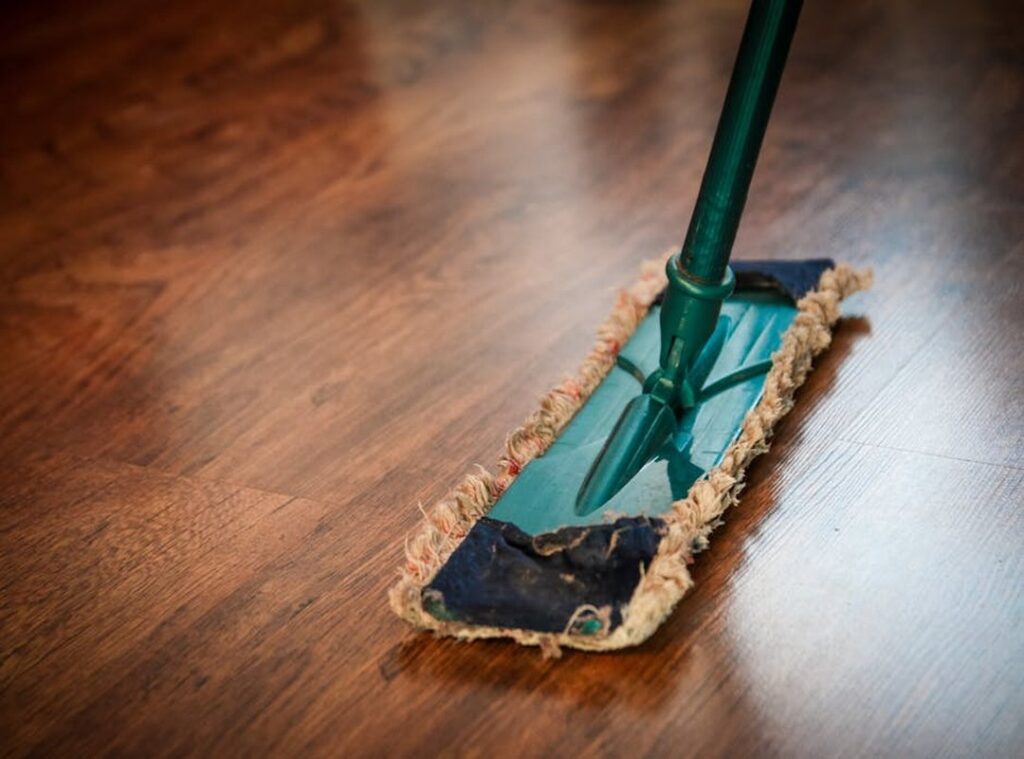
Step 5: Begin removing water. Use mops, old towels, buckets, or a wet/dry vacuum to get rid of as much standing water as possible. The sooner you act, the less damage you’ll have to deal with. Xhasrloranit
By following these steps, you can minimize the damage and get back to normal as quickly as possible.
Proactive Maintenance: How to Fortify Your Home Against Leaks
Let’s face it, nobody wants to deal with a leaky home. It’s like having an uninvited guest who never leaves and always makes a mess.
Biannual Gutter Cleaning
Clean your gutters twice a year. This is especially important before the spring and summer storm seasons. Clogged gutters can lead to water pooling around your foundation.
And we all know what happens then—summer brookes leaked into your basement, and not in a good way.
Annual HVAC Tune-Up
Get your HVAC system checked annually. Ask the technician to inspect and clear the condensate drain line. A clogged drain line can cause water to back up and damage your unit.
Trust me, you don’t want to be that person who calls the repair guy on the hottest day of the year.
Appliance Hose Inspections
Check your washing machine, dishwasher, and refrigerator icemaker hoses every six months. Look for bulges, cracks, or brittleness, and replace them every 3-5 years.
Think of it as giving your appliances a little TLC. They’ll thank you by not flooding your kitchen.
Smart Home Protection
Consider installing smart water leak detectors. Place them near water heaters, under sinks, and behind toilets. These nifty devices give you early warnings, so you can stop leaks before they turn into disasters.
It’s like having a personal assistant for your home’s plumbing.
Exterior Maintenance
Make sure the ground around your foundation slopes away from the house. This directs rainwater away, preventing it from seeping into your basement. It’s a simple fix that can save you a lot of headaches.
Stay ahead of the game with these tips, and you’ll be the hero of your own home. No more surprise leaks, just peace of mind.
Achieve a Dry and Stress-Free Summer
While summer brookes leaked are a serious threat, they are highly preventable with the right knowledge and routine checks. A small amount of proactive maintenance is far cheaper and less stressful than reacting to a major water damage event. Understanding the common sources, such as AC units, appliances, and gutters, and having an action plan ready can make all the difference.
Take five minutes this weekend to inspect the hoses on your washing machine. It’s a small step that could save you thousands.
 Senior Living Space Design Curator
Blyxara Dwell is a senior design curator at Xhasrloranit, specializing in living space innovation, interior flow optimization, and functional home design. Her work focuses on creating balanced environments that combine minimalism with practical usability, ensuring that spaces are both visually appealing and highly efficient. She develops concepts that transform ordinary interiors into structured, comfortable living environments while also contributing to visual strategy, layout planning, and styling direction. Blyxara’s design philosophy emphasizes harmony between aesthetics and functionality, and she plays a key role in shaping the visual identity and creative direction of Xhasrloranit’s design-focused content.
Senior Living Space Design Curator
Blyxara Dwell is a senior design curator at Xhasrloranit, specializing in living space innovation, interior flow optimization, and functional home design. Her work focuses on creating balanced environments that combine minimalism with practical usability, ensuring that spaces are both visually appealing and highly efficient. She develops concepts that transform ordinary interiors into structured, comfortable living environments while also contributing to visual strategy, layout planning, and styling direction. Blyxara’s design philosophy emphasizes harmony between aesthetics and functionality, and she plays a key role in shaping the visual identity and creative direction of Xhasrloranit’s design-focused content.