
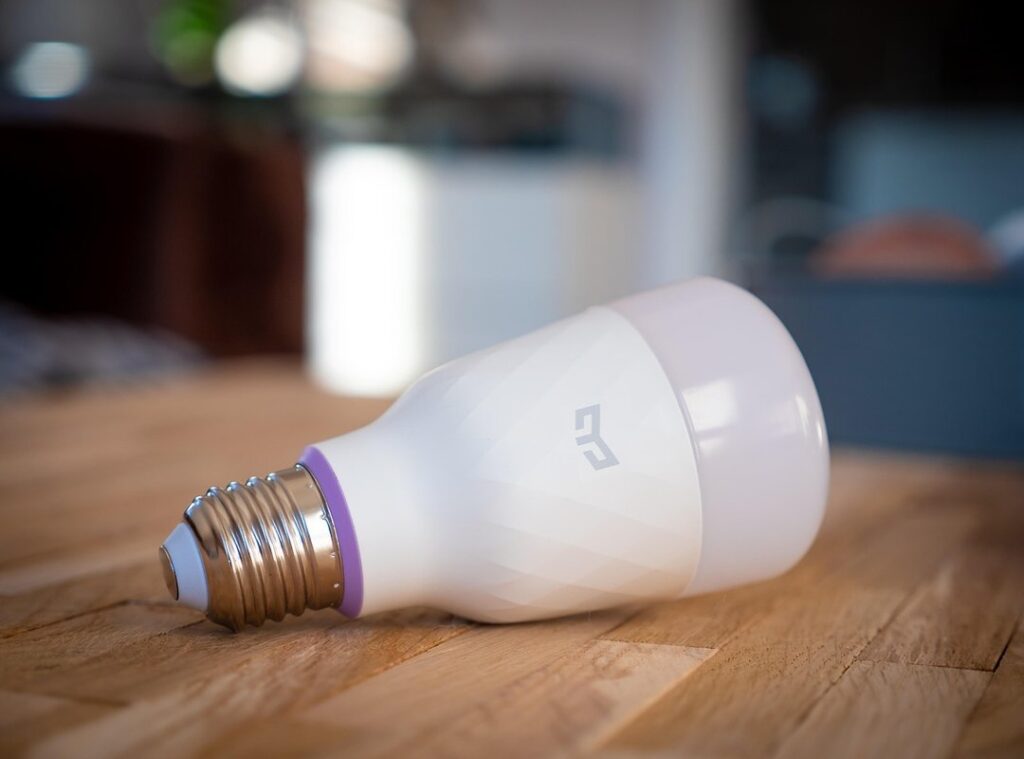
Are you tired of fumbling in the dark or wasting energy on lights you don’t need? I get it. Smart lighting home solutions can revolutionize how we live. They offer convenience, energy efficiency, and a touch of modernity to any space.
I’ve dived into the world of smart lighting, and I can tell you there’s a lot more to it than just turning lights on and off with your phone. You can create moods, save on energy bills, and even automate your home in ways you never thought possible.
This article will break down the essentials of smart lighting. You’ll learn about the types of systems available, how to integrate them into your home, and tips for maximizing their benefits.
Trust me, once you experience the ease of smart lighting, you’ll wonder how you ever lived without it. Let’s shed some light on this topic together.
Intelligent Home Lighting: Beyond Just Smart
Intelligent home lighting isn’t just about screwing in a few “smart” bulbs. It’s about creating a changing lighting environment that responds to your lifestyle. Smart lighting home solutions combine smart bulbs or fixtures, smart switches or dimmers, central hubs or bridges, and control apps.
These components work together seamlessly to offer advanced control, automation, and customization that you can’t get from traditional lighting.
Connectivity is key here. Whether it’s Wi-Fi, Bluetooth, Zigbee, or Z-Wave, these technologies allow your lighting to communicate and adapt. Remote access and scheduling capabilities mean you can control your lights from anywhere.
Heading home late? No problem. Your lights can welcome you back, automatically adjusting based on your preferences.
Curious about keeping your smart home secure? Check out the Securing Smart Home Guide for peace of mind.
The shift is from static lighting to a system that responds to your needs and environment. It’s like having a personal lighting assistant. This is not just about convenience; it’s about creating a responsive and adaptive home atmosphere.
In the end, intelligent lighting transforms your home into a living, breathing space that aligns with your daily life.
Smart Lighting: Beyond the Basics
When we talk about smart lighting, it’s not just about flipping a switch on your phone. Sure, that’s neat (but there’s more). The real magic lies in how this smart lighting home tech changes the vibe entirely.
You can set the scene for anything: a movie night, a romantic dinner, or just a chill evening. And it’s all thanks to features like tunable white light and color presets.
But it’s not just about looks. Smart lighting can cut down your energy bills. Dimming lights and scheduling when they turn on or off lead to real savings.
Add in presence detection, and lights switch off when no one’s in the room. It sounds simple, but it’s cost-effective.
Home security also gets an upgrade. Smart lights can mimic your presence when you’re away, making it look like you’re home even when you’re not. Pair them with other smart devices for a smooth security routine. (Would-be intruders won’t stand a chance.)
Health-wise, circadian lighting is a game-changer. It aligns indoor lighting with your natural sleep cycle, boosting productivity and helping you wind down naturally. Imagine waking up refreshed without that annoying alarm.
Voice control and app management? These are the cherries on top. You might be wondering how to choose between smart lights for your needs (there’s a lot out there).
But once you do, integration with smart home devices makes everything flow smoothly. In a world where convenience is king, why wouldn’t you embrace it?
Decoding Intelligent Lighting: What You Need to Know
In the world of smart lighting home systems, understanding communication protocols is key. Wi-Fi, Bluetooth, Zigbee, and Z-Wave each have their quirks. Wi-Fi is everywhere (literally), but it can hog your network.
Bluetooth is simple yet limited in range. Zigbee and Z-Wave are lesser-known but perfect for low-power, long-range needs. They don’t chew through your data like Wi-Fi does.
Now, let’s talk about the types of smart lighting products. Smart bulbs are the easiest entry point. Retrofit them into existing sockets and you’re good to go.
Smart switches and dimmers might need a professional. Hardwired solutions can be tricky. Integrated fixtures are for those starting from scratch.
It’s like choosing between upgrading your phone or just buying a new one.
Then there’s the space question. Philips Hue, Lutron Caséta, Kasa Smart, and Ring each have their own charm. They focus on ease of use and integration within their ecosystems.
Some play nicer with others, though. Compatibility and interoperability are game-changers. Open standards help brands work together (even when they don’t want to).
Thinking about smart home hubs versus hub-less setups? Hubs can unify your devices under one roof. But sometimes, you just want a simple, direct connection.
No hub? No problem (if) your devices are designed for it.
Compatibility is key. How often have you bought tech that doesn’t talk to your other gadgets? Open standards matter. They make sure (oops, forgot we’re avoiding that) your devices can chat like old friends.
Keep these takeaways in mind when building a smart lighting home, and you’ll be clicking on and off like a pro.
Planning Your Smart Lighting System: A Practical Guide
Thinking of diving into the world of smart lighting home systems? Start by asking yourself what you truly need. Don’t just replace every bulb because it’s “smart.” Focus on high-traffic areas, security zones, and places where mood lighting can make a difference.

A smart entryway light that greets you? Now, that’s practical magic.
Before you swipe your card, set a realistic budget. Factor in not just the initial cost but what you might save in the long run. (Those energy-fast bulbs are worth it.) And let’s face it, a fancy setup is great, but make sure it’s compatible with your existing electrical system. Nothing worse than realizing your new lights don’t play well with your old tech.
DIY or go pro? For a simple, single-room setup, DIY is your friend. But if you’re aiming for a whole-home transformation, a professional might save you from future headaches.
Trust me, I’ve been there.
Don’t forget scalability. Start small, see what works, and expand. Smart lighting home systems grow with you.
It’s like having the future of lighting right at your fingertips. And by the way, if you’re interested in integrating voice assistants home automation, it’s a game-changer.
Getting Started: Smart Lighting Made Simple
Installing smart lighting home systems can feel daunting, but it doesn’t have to be. Start by screwing in your smart bulbs (just like regular ones), then pair them with your app or hub. Easy, right?
For smart switches, safety first: turn off the power. Know your basics, like the neutral wire. It’s a must, not a maybe.
Once wired correctly, pair your devices. Moving to the app setup, create rooms and set schedules. Have a vision?
Define your basic scenes.
Troubleshooting? If your devices aren’t responding, check connectivity. Wi-Fi hiccups are common culprits (not just in smart homes).
Want hands-free control? Integrate with Alexa or Google Assistant. It’s like magic, but real.
Simply ask, and your lights obey.
Pro tip: patience is key. Smart homes aren’t built in a day. But once set up?
Lighting nirvana. Who knew getting smart could be this easy?
Take Control of Your Lighting Today
Intelligent home lighting solutions can change everything for you. Say goodbye to limited control and energy waste. With some planning, you can make smart lighting home accessible and beneficial.
Start small with a smart bulb or go big. Take that first step and experience the upgrade. Your home deserves it.
 Senior Living Space Design Curator
Blyxara Dwell is a senior design curator at Xhasrloranit, specializing in living space innovation, interior flow optimization, and functional home design. Her work focuses on creating balanced environments that combine minimalism with practical usability, ensuring that spaces are both visually appealing and highly efficient. She develops concepts that transform ordinary interiors into structured, comfortable living environments while also contributing to visual strategy, layout planning, and styling direction. Blyxara’s design philosophy emphasizes harmony between aesthetics and functionality, and she plays a key role in shaping the visual identity and creative direction of Xhasrloranit’s design-focused content.
Senior Living Space Design Curator
Blyxara Dwell is a senior design curator at Xhasrloranit, specializing in living space innovation, interior flow optimization, and functional home design. Her work focuses on creating balanced environments that combine minimalism with practical usability, ensuring that spaces are both visually appealing and highly efficient. She develops concepts that transform ordinary interiors into structured, comfortable living environments while also contributing to visual strategy, layout planning, and styling direction. Blyxara’s design philosophy emphasizes harmony between aesthetics and functionality, and she plays a key role in shaping the visual identity and creative direction of Xhasrloranit’s design-focused content.