Home security is on everyone’s mind these days. We all want to feel safe in our own space. Yet traditional systems often fall flat.
They lack the adaptability we need. This leaves us feeling vulnerable and missing out on better options.
I know what it’s like to get through these concerns. With my experience in smart home integration, I can tell you that the right solutions exist. This guide is here to give you practical takeaways.
You’ll discover how to create a safety net that truly works for you.
I’ve helped countless homeowners like yourself boost their living spaces with smart technology. The goal is to make your home not just secure but intuitive. You deserve a system that offers full protection and effortless management.
In this article, I’ll demystify smart home security. Together, we’ll explore how you can use modern technology. Let’s transform your home into a safer, smarter environment.
Smart Security: More Than Just Gadgets
“Intelligent home safety solutions” might sound like a buzzword, but let me break it down. Unlike traditional systems that just react, these babies are proactive. They use connectivity (Wi-Fi, Zigbee, Z-Wave) to keep everything in sync.
Imagine your smart home security acting like a vigilant guard dog, always sniffing out trouble before it happens.
Here’s the kicker: these systems don’t just alert you after something goes down. They integrate with your daily life seamlessly. Picture motion sensors smart enough to know the difference between your dog and an intruder.
Cameras with AI don’t just record. They recognize faces. And those smart locks?
They auto-lock, so you can forget that nagging feeling about whether you locked the door.
Is this just tech fluff? Hardly. The practical applications, like integrating smart tech into existing spaces, offer real protection and peace of mind.
You get enhanced detection, remote control, and real-time alerts at your fingertips.
So, whether you’re at home or vacationing, these systems have your back. They’re not just gadgets. They’re a smarter way to live protected.
The future isn’t just fancy. It’s safer.
Smart Safety: Modern Essentials for Every Home
When it comes to smart home security, missing the basics is a rookie mistake. Let’s start with smart cameras. You want 1080p or even 4K for clear visuals, especially at night.
Night vision is non-negotiable. Two-way audio? Important.
It lets you communicate (or yell at intruders). Motion detection zones help avoid false alarms. Choose between cloud or local storage based on your privacy paranoia level.
AI analytics, like person or package detection, save time scrolling through footage.
Smart sensors are your silent sentinels. Door and window sensors tell you when things open or close. Motion sensors catch sneaky movements.
Glass break sensors? They’re like a digital dog barking at break-ins. Environmental sensors cover smoke, CO, water leaks, and extreme temperatures.
They’re small but mighty, alerting you to dangers before they escalate.
Can’t skip smart locks. Keyless entries are game changers. They scream convenience.
Remote access lets you open up doors from miles away. Temporary guest codes keep visitors honest. Auto-locking features?
They save you from panic moments (“Did I lock the door?”).
Then there are smart alarms and sirens. They integrate with sensors to deter intruders. Silent alarms?
Great for when you want the cops, not the chaos. Professional monitoring means someone else worries about the alarms.
Finally, the central hub. It’s the system’s brain, connecting everything. Smart displays or dedicated hubs help with automation and remote management.
Want more on smart home security? It’s a deep dive worth taking.
Crafting Your Home’s Safety Plan: Simple Steps
Starting your personalized safety plan can feel daunting. I get it. But there’s a simple way through.
First, let’s assess your vulnerabilities. Walk through your home. Spot those potential entry points and think about your valuables.
Kids? Pets? Elderly parents?
They’re part of the equation. Your family’s needs dictate your smart home security setup.
Now, let’s define your priorities. What’s more key: stopping break-ins, keeping an eye on environmental threats, or having remote access? Could be a mix here.
You know what’s best.
Next up, consider your home’s layout. Size matters. So does the number of floors and outdoor spaces.
Got weak Wi-Fi? (Yeah, that’s a pain.) That affects how you set things up.
DIY versus professional installation is your next decision. DIY is cheaper but demands time and a bit of tech savvy. Pros offer expertise and ongoing support, but you pay for it.
Weigh your needs and budget.
Here’s a pro tip: start small. You can always expand. Future-proofing isn’t about going big right away.
It’s about making smart choices that grow with you.
, it’s about peace of mind. Your home. Your rules.
Safety should be tailored to fit you like a glove. Keep it simple, keep it smart.
Smooth Integration: Making Your Smart Home Secure
Connecting smart safety devices is like conducting an orchestra. Each part needs to work together to create a fluid and secure environment. Let’s talk connectivity protocols.

Wi-Fi, Zigbee, Z-Wave, and Bluetooth are your top players. Wi-Fi is everywhere but can drain battery life. Zigbee and Z-Wave use less power (built for smart homes).
Bluetooth? Good for short range but not your best bet for security.
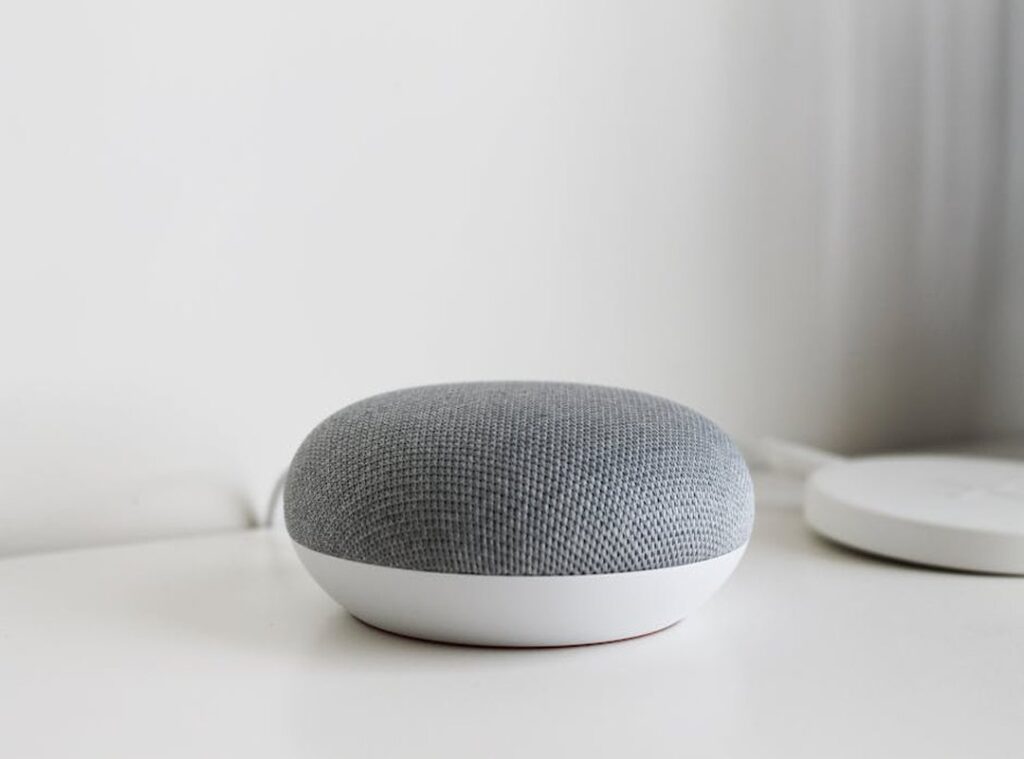
You need a smart home hub, like SmartThings or Hubitat. These gather your devices into a team, handling communication and automation. (Think of it as the bandleader.) Smart speakers like Amazon Echo and Google Home do the same with built-in hubs. They connect everything, letting you automate complex scenarios.
Picture this: If your front door opens after 10 PM, the living room lights turn on. You get an alert. Or, if there’s smoke, it unlocks smart locks and lights flash emergency red.
Cross-device integration boosts security and convenience. Imagine smart lights deterring intruders or a thermostat shutting off during a fire (saves your HVAC). Integrating can have hiccups, though.
Compatibility issues or network problems? Just part of the game. But the benefits for smart home security?
Worth it.
Beyond Basic Alarms: Raise Your Smart Home Safety
Smart home security is more than basic alarms. Let’s talk about remote monitoring. With smartphone apps, you can view cameras, arm your system, and get notifications all from your phone.
Then there’s emergency services integration. Some systems connect directly to police or fire departments. The peace of mind is huge.
It’s like carrying your home in your pocket. Ever thought about using your voice to manage security? Smart assistants like Alexa and Google Assistant let you check feeds or lock doors hands-free.
But does it feel secure? Data privacy is key. Pick reputable brands and use strong passwords (two-factor authentication is your friend).
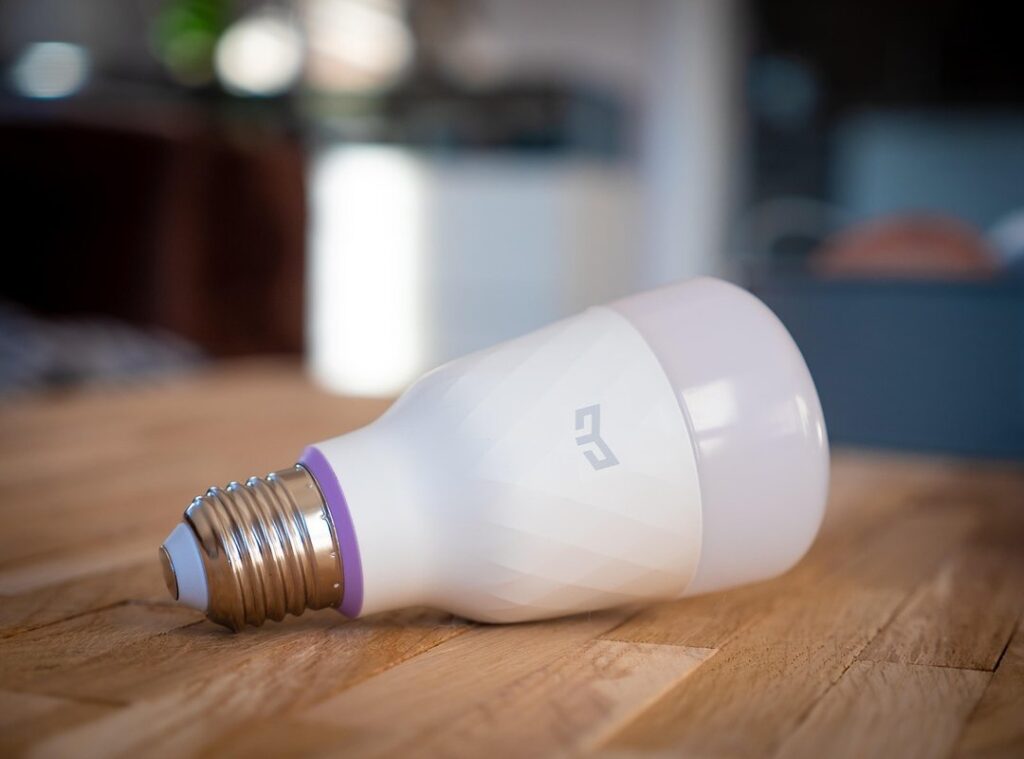
Don’t ignore future trends either. AI-driven analytics and biometric authentication aren’t sci-fi anymore. And while you’re upgrading, check out smart lighting home efficiency.
It’s a game-changer.
Ready to go beyond the basics? Your home deserves it.
Step into Smart Security
You now have a solid grasp of intelligent home safety solutions. You need modern and effective protection in today’s complex world.
These solutions work because they give you control, proactive monitoring, and peace of mind through smart home security technology.
Start small and assess your needs.
Building or upgrading your intelligent home safety system is a smart move. It’s time to take action.
Take the first step towards a smarter, safer home by exploring the solutions we discussed. Your peace of mind is within reach. Don’t wait.
Secure your home now.
 Founder & Chief Vision Architect
Rendric Eldricson is the founder of Xhasrloranit and the primary visionary behind its development. He specializes in modern home systems, smart integration, and practical living solutions, focusing on turning complex home technologies into simple, usable systems for everyday life. He leads the strategic direction of the platform, shaping its long-term innovation goals and overall identity. With a strong background in home infrastructure planning and digital living ecosystems, Rendric is committed to evolving homes into intelligent environments that enhance comfort, efficiency, and functionality. His leadership defines Xhasrloranit as a structured knowledge platform centered on smart living and home intelligence.
Founder & Chief Vision Architect
Rendric Eldricson is the founder of Xhasrloranit and the primary visionary behind its development. He specializes in modern home systems, smart integration, and practical living solutions, focusing on turning complex home technologies into simple, usable systems for everyday life. He leads the strategic direction of the platform, shaping its long-term innovation goals and overall identity. With a strong background in home infrastructure planning and digital living ecosystems, Rendric is committed to evolving homes into intelligent environments that enhance comfort, efficiency, and functionality. His leadership defines Xhasrloranit as a structured knowledge platform centered on smart living and home intelligence.