We’ve all been there. A leaky faucet or a clogged drain pops up, and suddenly you’re staring down a hefty plumber’s bill. It’s frustrating and expensive, but it doesn’t have to be that way.
Many minor plumbing issues can be tackled with a little know-how, cutting out the need for costly professional help. I’ve spent years figuring out practical home maintenance hacks that actually work. Trust me, I’ve tested these diy plumbing fixes myself and can assure you they are reliable.
In this article, I’ll walk you through step-by-step solutions for common plumbing problems that you can handle on your own. You’ll learn how to save time and money while boosting your confidence as a homeowner.
Nobody wants to be reliant on professionals for simple tasks. Why not help yourself with the skills to fix those annoying leaks or pesky clogs? By the end of this piece, you’ll have the knowledge you need to tackle plumbing issues head-on.
Let’s get you started on your journey to becoming your own handyman.
Tackling the Dreaded Clog: Sinks, Showers, and Toilets
Clogs. They’re the bane of any home. We’ve all been there, staring hopelessly at a sink filled with murky water.
But what’s really causing these diy plumbing fixes headaches? Hair, grease, soap scum, and food particles are the usual suspects.
For sink and shower drains, a plunger can be your best friend. Use it right: create a tight seal, and plunge with purpose. It’s not about brute force; it’s about technique.
If the clog is being stubborn, grab a drain snake. Insert it carefully, twist, and pull out the offender (hopefully without too much splashback).
Pro tip: natural enzymatic cleaners can help prevent future clogs. They’re eco-friendly and won’t corrode pipes like harsh chemicals. Speaking of which, those chemical drain cleaners?
They might promise quick results, but they can damage your pipes over time.
If that doesn’t work, it’s time for a toilet auger. But be gentle to avoid scratching the porcelain.
Now, let’s talk toilets. Plunging here is a bit different. You need a strong vacuum, so make sure to seal the plunger over the hole entirely.
And never, ever use chemical cleaners in toilets. They can wreak havoc on your pipes and the bowl. Want more home tips?
Check out winterizing your home know. You won’t regret it.
Stopping Leaks in Their Tracks: Faucets and Toilets
Have you ever noticed an unexpected spike in your water bill? Yeah, me too. Often, it’s due to those sneaky leaks from faucets and toilets we tend to ignore.
They might seem harmless, but the financial and environmental costs? Not so much.
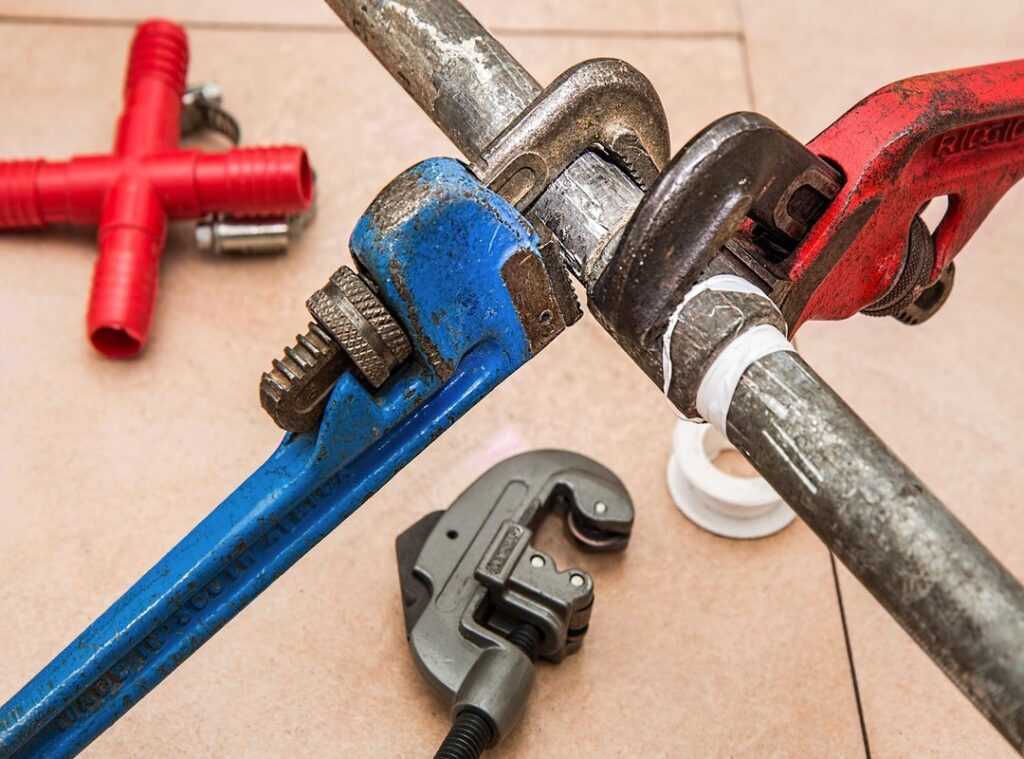
For leaky faucets, it’s usually worn washers, O-rings, or cartridges causing the mess. Here’s a pro tip: always turn off the water supply before diving into repairs. To replace a worn washer or O-ring in a compression faucet, you’ll need a screwdriver and an adjustable wrench.
With these, you can handle the leak in no time. A cartridge in a single-handle faucet? Just make sure you find the right replacement part.
Now, let’s talk toilets. A constantly running toilet usually means a faulty flapper valve, an incorrectly set fill valve, or a misaligned float arm. Want to confirm a flapper valve leak?
Do a simple dye test. If you spot a problem, replacing a damaged flapper valve is your next move. Adjusting the float arm ensures the right water level, stopping that annoying continuous flow.
These diy plumbing fixes aren’t just quick and easy. They save money and conserve water, making them a no-brainer. So, tackle those leaks head-on and breathe easy, knowing you’re doing your part for the planet and your wallet.
Banish Noisy Pipes and Wimpy Water Flow: DIY Fixes
Noisy pipes keeping you up at night? It’s likely water hammer, which happens when water flow suddenly changes. Ever turned a faucet off and heard that awful banging noise?
That’s it. First, try securing loose pipes with clamps. Sometimes, installing water hammer arrestors can do wonders.
Trapped air can also make pipes noisy. Bleed it out by opening each faucet until the noise stops. (Pro tip: Start from the lowest point in your home and work upwards.)
Then there’s the low water pressure. It’s just plain annoying. Common culprits?
Clogged faucet aerators or showerheads and partially closed shut-off valves. Sediment in your water heater can also slow things down.
Here’s what I do. Remove faucet aerators (a little twist and pull) and clean them. You’d be surprised at the gunk in there.
Check those shut-off valves too. They need to be all the way open. If the whole house feels low on pressure, peek inside the water heater for sediment buildup.
Want to tackle another home woe? Check out these easy lawn care tips for more ways to improve your space. We all deserve a little peace and quiet (plus) a strong shower.
Don’t we?
Stop Plumbing Disasters: Important Home Maintenance Tips
Let’s talk plumbing. It’s not the most glamorous topic, but believe me, proactive maintenance is your best friend. Who wants the hassle of emergency plumbing calls?
Not me.
First, let’s get into some easy habits. Regular drain maintenance works wonders (and it’s not hard). Flush drains with hot water now and then.
If you’re feeling fancy, the baking soda and vinegar technique is a classic. Keeps things fresh.
There’s stuff you should never send down the drain. Grease? Absolutely not.
Coffee grounds and fibrous foods? Nope. Those “flushable” wipes are a lie, trust me on this.
Oh, and the pipes you can see? Check them. Look for leaks, corrosion, or drips.
It’s like a health check-up but for your plumbing.
Know where your main water shut-off valve is. Practice turning it off. Could save your home from becoming a wading pool one day.
Once a year, flush your water heater. It removes sediment that sucks the efficiency right out. You’ll thank me later.
Winter’s coming. Protect outdoor faucets and pipes from freezing. Disconnect hoses, insulate pipes.
It’s simple but key.
Finally, those appliance hoses? Washing machine, dishwasher. Check them every few years.
Fix them before they break.
If you’re into diy plumbing fixes, these tips will save you time and cash. Proactive beats reactive every day.
Know When to Fold ‘Em: DIY Plumbing Fixes
I’ve tackled my fair share of diy plumbing fixes, but sometimes it’s just smarter to call in a pro. You know the moment I’m talking about: water is gushing everywhere, or worse, the smell of sewage is creeping through the house. If you spot a burst pipe or experience a total loss of water pressure, don’t mess around.
And anything involving gas appliances? Definitely not a DIY project. Sometimes, it’s about safety and avoiding a bigger mess.
So, when your confidence wavers or tools fall short, it’s okay to admit defeat. Better safe than soaked, right?
Take Control of Your Plumbing
You found practical, actionable diy plumbing fixes that actually work. No more stress over plumbing issues. Remember, these solutions help you to save money and prevent small problems from turning into big headaches.
Take a moment to apply these skills. Make preventative maintenance part of your routine. Approach plumbing challenges with confidence.
You’ve got this.
Don’t let plumbing woes take control. Bookmark this guide for quick reference and share it with others who need a hand.
Call now if you’re stuck. I promise these fixes will make a difference. Your home deserves it, and so do you.
Embrace your power as a homeowner.
 Senior Living Space Design Curator
Blyxara Dwell is a senior design curator at Xhasrloranit, specializing in living space innovation, interior flow optimization, and functional home design. Her work focuses on creating balanced environments that combine minimalism with practical usability, ensuring that spaces are both visually appealing and highly efficient. She develops concepts that transform ordinary interiors into structured, comfortable living environments while also contributing to visual strategy, layout planning, and styling direction. Blyxara’s design philosophy emphasizes harmony between aesthetics and functionality, and she plays a key role in shaping the visual identity and creative direction of Xhasrloranit’s design-focused content.
Senior Living Space Design Curator
Blyxara Dwell is a senior design curator at Xhasrloranit, specializing in living space innovation, interior flow optimization, and functional home design. Her work focuses on creating balanced environments that combine minimalism with practical usability, ensuring that spaces are both visually appealing and highly efficient. She develops concepts that transform ordinary interiors into structured, comfortable living environments while also contributing to visual strategy, layout planning, and styling direction. Blyxara’s design philosophy emphasizes harmony between aesthetics and functionality, and she plays a key role in shaping the visual identity and creative direction of Xhasrloranit’s design-focused content.